Understanding Paver Types and Their Benefits
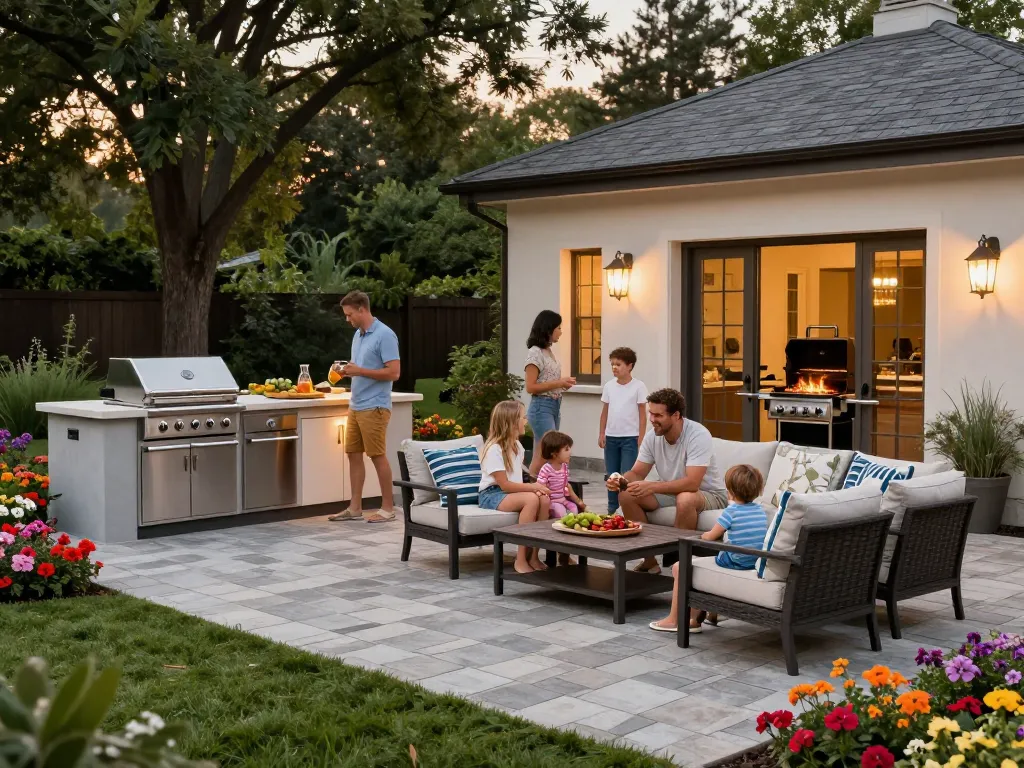
Pavers are a popular choice for outdoor spaces due to their durability, versatility, and aesthetic appeal. Whether you’re looking to create a stunning patio, an elegant walkway, or a functional driveway, understanding the different types of pavers available can help you make informed decisions. When exploring options, Paver companies near me can provide comprehensive insights into the best choices for your project.
What Are the Different Types of Pavers?
There are several types of pavers available on the market, each with its unique characteristics. The most common types include:
- Concrete Pavers: Known for their durability and low maintenance, concrete pavers come in various shapes, colors, and sizes, making them suitable for any design.
- Brick Pavers: Made from fired clay, brick pavers offer a classic, timeless look. They are often used in traditional settings and are known for their strength.
- Natural Stone Pavers: These pavers provide an upscale appearance and are available in various materials like granite, limestone, and slate. They are ideal for luxurious outdoor spaces.
- Porcelain Pavers: Increasingly popular, these are made from high-fired clay and are resistant to stains, scratches, and moisture, making them an excellent choice for high-traffic areas.
How to Choose the Right Paver for Your Project?
Choosing the right paver involves considering various factors such as the intended use, climate, and overall design aesthetics. Here are some tips:
- Assess the Area: Is it for a driveway, patio, or walkway? High-traffic areas require more durable options.
- Climate Considerations: In colder climates, choose pavers that can withstand freeze-thaw cycles.
- Design Compatibility: Ensure your paver choice complements your home’s architectural style and your landscape design.
Advantages of Using Pavers in Outdoor Spaces
Pavers offer numerous advantages that make them a preferred choice for outdoor areas:
- Durability: Pavers are designed to last, resisting cracking and discoloration over time.
- Versatility: They can be arranged in various patterns and designs to suit individual tastes.
- Low Maintenance: Unlike concrete slabs, individual pavers can be replaced easily if damaged.
- Increased Property Value: A well-designed patio or driveway can enhance curb appeal and elevate property value.
Finding Reliable Paver Companies Near Me
When embarking on a paver project, selecting a reliable contractor is essential. The right company can ensure quality workmanship and enhance your outdoor space effectively.
Qualities to Look for in a Paver Company
Here are some key qualities to consider when searching for a paver company:
- Experience: Look for companies with a strong portfolio and extensive experience in hardscaping.
- Client Testimonials: Positive reviews and testimonials from past clients can provide insight into a company’s reliability and quality of work.
- Licensing and Insurance: Ensure the company is properly licensed and insured to protect against potential liabilities.
How to Evaluate Paver Companies’ Credentials?
To ensure you’re choosing a reputable company, take the time to evaluate their credentials. Here’s how:
- Check Online Reviews: Websites like Google and Yelp can give you an idea of the company’s reputation.
- Request References: Don’t hesitate to ask for references from previous clients.
- Review Portfolios: A professional company should have a portfolio showcasing their past projects.
Top Questions to Ask Potential Paver Contractors
Before making a decision, consider asking potential contractors the following questions:
- What types of pavers do you recommend for my specific project?
- Can you provide a detailed estimate, including labor and materials?
- What is your typical project timeline?
- Do you offer warranties on your workmanship?
Cost Factors for Paver Installation Services
Understanding the cost factors involved in paver installation can help you budget effectively for your project.
Average Costs of Paver Installation in 2026
As of 2026, the average cost for paver installation varies significantly based on the type of pavers used and the complexity of the project. On average, homeowners can expect to pay between $15 to $50 per square foot, including materials and labor.
Factors Affecting Paver Installation Pricing
Several factors can influence the overall cost of your paver installation:
- Material Choice: Different materials come with varying price points.
- Labor Costs: The expertise of the contractor can impact labor costs.
- Site Preparation: Extensive site preparation or drainage work can increase costs.
Budgeting Tips for Your Paver Project
To manage your budget effectively, consider these tips:
- Get Multiple Quotes: Obtain estimates from several contractors to compare prices.
- Plan for Contingencies: Set aside an additional 10-20% of your budget for unexpected expenses.
- Consider DIY Options: For smaller projects, consider tackling some of the work yourself to save on labor costs.
Common Challenges with Paver Projects
Like any home improvement project, paver installations can face challenges. Being aware of these can help you manage your project effectively.
What to Do When Pavers Shift or Settle?
It’s common for pavers to shift over time due to various factors, such as soil movement or inadequate installation. If you notice this, consider the following:
- Inspect the Area: Identify the cause of the shifting.
- Re-level and Adjust: Repairs may involve re-leveling the affected area and adjusting the pavers.
- Consult Professionals: If the issue persists, it’s best to consult a professional for a thorough assessment.
Dealing with Drainage Issues in Paver Installations
Proper drainage is crucial for paver installations to prevent water pooling. Here are some tips to mitigate drainage issues:
- Plan for Grading: Ensure the area is graded correctly to allow water runoff.
- Install Drainage Systems: Consider adding drains or channels to redirect water away from paved areas.
- Use Permeable Pavers: These allow water to infiltrate and can reduce runoff considerably.
How to Maintain Your Paver Installation Over Time?
Regular maintenance is key to prolonging the life of your pavers:
- Regular Cleaning: Sweep and clean your pavers regularly to remove debris and stains.
- Seal Pavers: Consider sealing your pavers to prevent staining and enhance longevity.
- Inspect for Damage: Regularly check for shifting or broken pavers and address issues promptly.
Innovative Trends in Paver Design for 2026
As outdoor design continues to evolve, here are some innovative trends shaping paver use in 2026:
Popular Paver Designs for Modern Homes
Modern design emphasizes clean lines and geometric shapes, making these trends popular:
- Large Format Pavers: These create seamless surfaces that enhance the space.
- Mixed Materials: Combining different types of pavers or integrating other landscaping materials adds visual interest.
Integrating Eco-Friendly Materials into Paver Projects
With sustainability gaining importance, eco-friendly pavers are becoming popular:
- Recycled Materials: Some pavers are made from recycled products, reducing environmental impact.
- Permeable Pavers: These help manage stormwater effectively, making them a sustainable choice.
Future-Proofing Your Outdoor Space with Paver Trends
To ensure your outdoor space remains stylish and functional in the years to come, consider:
- Timeless Color Palettes: Opt for neutral shades that won’t go out of style.
- Flexible Designs: Create adaptable outdoor spaces that can evolve with your needs.
What are the common materials used in paving?
The most common materials used for paving include concrete, brick, natural stone, and porcelain. Each provides distinct aesthetic and functional qualities, allowing homeowners to choose based on their specific needs and design preferences.
How long do paver installations typically last?
With proper maintenance, paver installations can last more than 25 years. The key is to address any issues promptly and perform regular cleaning and sealing as needed.
Can pavers be installed in the winter?
While it’s not common, pavers can be installed in winter, provided the ground is not frozen. Cold-weather paver installation requires special techniques to ensure optimal adhesion and durability.
What maintenance is required for paver installations?
Maintenance typically includes regular cleaning, sealing, and inspecting for shifting or damage. Addressing issues early can prevent costly repairs in the future.
How do I find the best local paver companies?
Start by searching online directories, reading reviews, and asking for recommendations from friends or neighbors who have had similar work done. Evaluating multiple options and asking the right questions will lead you to the best provider for your needs.