
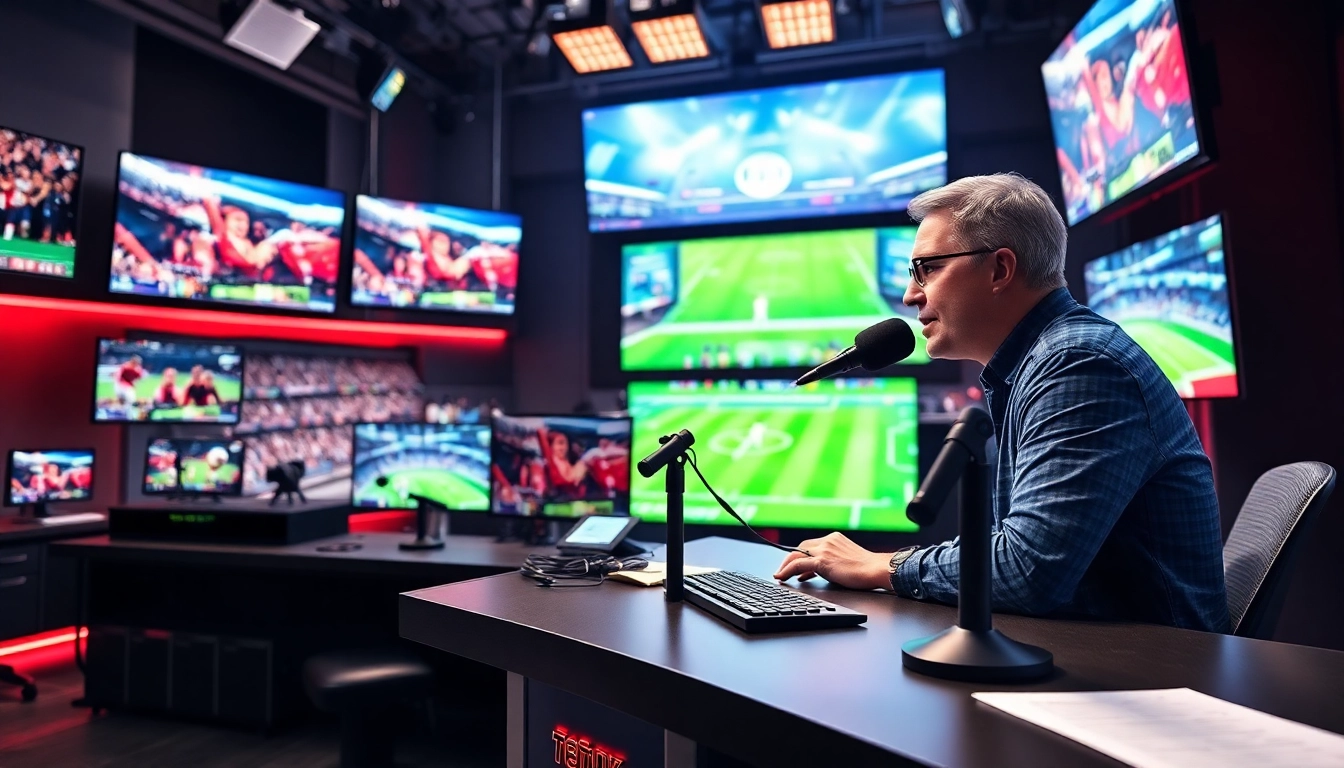
Understanding the Basics of Sports Broadcasting
What is Sports Broadcasting?
Sports Broadcasting refers to the dissemination of sports content to viewers via various mediums, including television, radio, and online streaming platforms. It encompasses the presentation of live events, highlight shows, analysis, and sports news. Broadcasts offer audiences a front-row seat to thrilling moments while providing expert commentary and insights. This industry has evolved significantly over the years, driven by advances in technology and shifting consumer preferences. An essential aspect of Sports Broadcasting involves not just covering events, but enhancing viewer engagement through innovative formats and interactive content.
The Evolution of Sports Broadcasting
Historically, sports were communicated through printed media, but the advent of radio in the early 20th century initiated a revolution. This allowed fans to experience games in real-time, setting the stage for television in the 1950s. The explosion of cable networks in the 1980s further changed the landscape, with dedicated sports channels providing round-the-clock coverage. Today, digital platforms are reshaping how fans consume sports, enabling streaming services and social media to deliver content anytime and anywhere.
Key Roles in Sports Broadcasting
Within the realm of sports broadcasting, multiple roles contribute to the success of a broadcast. These include:
- Play-by-Play Announcer: Provides real-time commentary of the action.
- Color Commentator: Offers analysis, insights, and context to the play-by-play.
- Producers: Coordinate various aspects of the broadcast, including camera angles and transitions.
- Technical Team: Ensures that the transmission process runs smoothly, handling audio and visual equipment.
- Writers and Researchers: Provide background information and context to enhance storytelling.
Techniques for Effective Sports Broadcasting
Preparation and Research Techniques
Preparation is critical in sports broadcasting. Successful commentators continuously research teams, players, and statistics to provide informative commentary. Techniques include:
- Studying Stats: Understanding player performance metrics and historical data enriches commentary.
- Interviewing Players: Gaining insights from interviews helps present personal stories that resonate with viewers.
- Game Analysis: Assessing past games to predict strategies and outcomes enhances the audience’s understanding.
Live Commentary Strategies
Effective live commentary requires quick thinking and adaptability. Strategies include:
- Staying Neutral: Maintaining objectivity is vital, especially in high-stakes situations.
- Engaging the Audience: Utilizing storytelling techniques and rhetorical questions can captivate viewers.
- Utilizing Sound Bites: Incorporating memorable quotes from players or coaches adds depth to broadcasts.
Utilizing Technology in Sports Broadcasting
Technology plays a pivotal role in enhancing sports broadcasts. Innovations include:
- Instant Replay: Allows for immediate highlight recaps that enhance viewer experience.
- Virtual Graphics: Used for analytics and visualizations, helping viewers understand complex plays.
- Remote Broadcasting Tools: Enable commentators to deliver insights from anywhere, increasing flexibility.
Common Challenges in Sports Broadcasting
Handling Live Situations and Unforeseen Issues
Live broadcasting can be unpredictable, with unforeseen technical difficulties or unexpected events. Strategies to manage these challenges include:
- Having Backup Plans: Always prepare secondary methods for transmission and commentary to mitigate risks.
- Staying Calm: A professional demeanor conveys confidence, even in chaos.
- Team Coordination: Effective communication among the broadcasting team is essential for troubleshooting.
Adapting to New Technologies and Trends
The broadcasting landscape is ever-changing, necessitating adaptability. Professionals must stay abreast of new technologies, such as:
- Social Media Integration: Engaging viewers on platforms like Twitter and Facebook enhances community interaction.
- Advanced Analytics: Tools for viewer metrics help refine broadcasting techniques and reach the intended audience effectively.
- Mobile Platforms: As mobile viewing rises, broadcasts must be optimized for these devices to meet audience demand.
Engaging Diverse Audiences in Sports Broadcasting
As viewership becomes more varied, broadcasters must cater to diverse audiences. Techniques to engage various demographics include:
- Inclusive Commentary: Using language and references that resonate with different cultures and backgrounds enhances relatability.
- Community Engagement: Hosting live Q&A sessions or fan polls during broadcasts builds a connection.
- Multilingual Broadcasts: Offering commentary in multiple languages accommodates an international fan base.
Innovations Shaping the Future of Sports Broadcasting
Virtual Reality and Augmented Reality in Broadcasting
Virtual Reality (VR) and Augmented Reality (AR) are set to transform sports broadcasting. These technologies offer immersive experiences, allowing fans to engage with the action like never before. VR can provide virtual seats at live events, while AR overlays statistics and information directly into broadcasts, enhancing viewer comprehension without distracting from gameplay.
The Impact of Streaming Services on Sports Broadcasting
Streaming services have disrupted traditional broadcasting models, allowing consumers to choose when and how they watch sports. This shift emphasizes the need for broadcasters to develop engaging on-demand content, including archives of past games and highlights, catering to a growing audience that prefers flexibility over scheduled broadcasts.
Data Analytics for Enhanced Viewer Engagement
Data analytics is becoming crucial for understanding viewer preferences and behaviors. By analyzing viewer data, broadcasters can tailor content, optimize broadcast timings, and enhance engagement strategies, ensuring the delivery of relevant content that resonates with specific audience segments.
Measuring Success in Sports Broadcasting
Performance Metrics that Matter
Measuring success in sports broadcasting goes beyond ratings. Key performance metrics include:
- Viewership Numbers: Total audience size and demographic breakdown offer insights into popularity.
- Engagement Levels: Analyzing social media interactions can reveal audience interest and sentiment.
- Advertising Revenue: This reflects both audience size and demographic appeal, indicating profitability.
Utilizing Audience Feedback for Improvement
Audience feedback is invaluable for continuous improvement. Techniques include surveys, social media polls, and directly engaging with viewers during broadcasts to refine content and delivery based on viewer input.
Case Studies of Successful Sports Broadcasting
Analyzing successful sports broadcasts offers lessons in effective techniques. Case studies showcase innovative approaches to commentary, graphics, and audience engagement that have resulted in high viewer retention and satisfaction.