
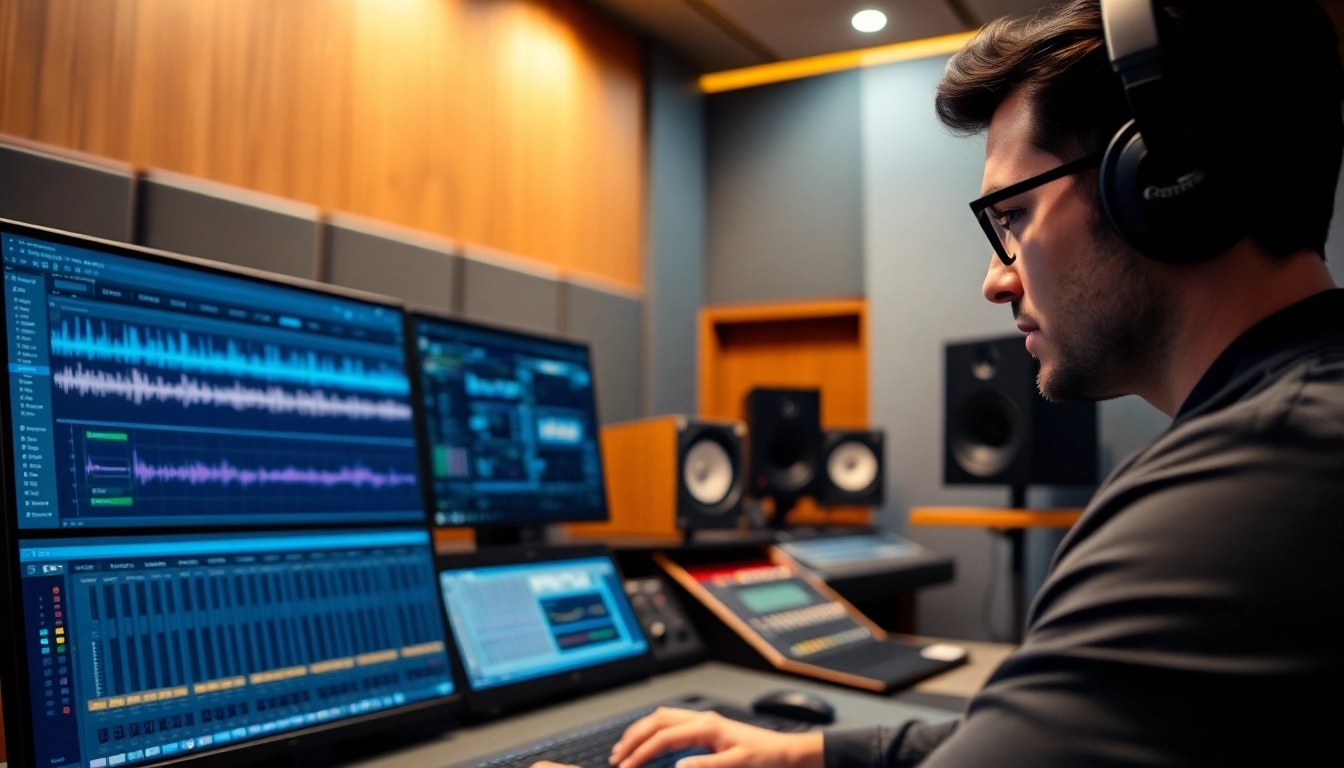
Understanding Online Mastering
What is Online Mastering?
Online mastering refers to the process of preparing and transferring recorded audio from a source to a data storage device, followed by the final adjustments required for distribution. This process is crucial as it polishes the music, ensuring that it sounds its best across various playback systems. Unlike traditional mastering, which requires a studio and specialized hardware, online mastering offers a convenient way for artists, producers, and engineers to have their tracks professionally treated over the internet. The main objective is to achieve a balanced and polished sound that resonates well with listeners.
Benefits of Online Mastering
There are numerous advantages to utilizing online mastering services:
- Accessibility: Musicians can access professional mastering services from anywhere with an internet connection, eliminating geographical barriers.
- Cost-Effective: Online mastering tends to be more affordable than traditional methods, as it eliminates the overhead costs associated with physical studio time.
- Quick Turnaround: Many online platforms offer rapid mastering services, allowing artists to receive their mastered tracks within a short timeframe.
- Flexible Options: Most services provide various mastering styles to cater to different genres, allowing artists to select the best fit for their music.
- Ease of Use: Many online platforms have user-friendly interfaces, making it simple for users to upload tracks and specify their preferences.
How Online Mastering Works
The online mastering process typically involves several straightforward steps:
- Upload Your Tracks: Artists start by uploading their music files to the chosen online mastering platform. Most services accept various file formats such as WAV and AIFF.
- Select Mastering Options: Users can choose specific mastering preferences based on their genre or desired sound. This may include adjustments for loudness, EQ, and stereo width.
- Mastering Process: A mastering engineer will review the uploaded tracks and apply their expertise to enhance the overall audio quality.
- Review and Download: Once the mastering is complete, artists receive a link to download their mastered tracks, complete with options for revisions if needed.
Choosing the Right Online Mastering Service
Factors to Consider
When selecting an online mastering service, consider the following factors:
- Experience and Qualifications: Look for platforms staffed by experienced mastering engineers with good reputations in the industry.
- Technology Used: Ensure the service uses high-quality equipment and software to guarantee the highest industry standards in audio processing.
- Customer Support: Strong customer support can enhance the experience, particularly during the uploading and revision processes.
- Service Scope: Some services offer package deals that include additional features like mixing or promotional material setup.
Evaluating Quality and Reviews
Assessing the quality of an online mastering service is crucial. Check for:
- Client Testimonials: Reviews from other musicians can provide insights into the service’s reliability and sound quality.
- Before and After Samples: Many services showcase samples of their work, allowing prospective clients to listen and evaluate the quality.
- Reputation: Look for services with a proven track record and positive reputation in the music industry.
Comparing Pricing Models
Online mastering services typically operate on various pricing models. While some charge per track, others may offer bulk pricing for multiple tracks or monthly subscriptions. It’s essential to:
- Assess Value: Consider what is included in the price, such as revisions or additional mastering styles.
- Compare: Look at multiple platforms to compare their offerings and ensure you receive the best value for your investment.
Preparing Your Music for Online Mastering
File Formats and Quality Standards
To achieve the best results during online mastering, artists should adhere to specific file formats and quality standards:
- File Formats: Highly recommended formats are WAV or AIFF, with a sample rate of at least 44.1 kHz and a bit depth of 16 bits or higher.
- Headroom: It’s advisable to leave around -6 dB headroom in the mix to allow for any adjustments during mastering.
- Quality of Mix: Ensure your mix is as polished as possible before submission, as mastering cannot correct fundamental mix issues.
Creating a Mastering Guide
A mastering guide can be a valuable tool in conveying your artistic vision to the mastering engineer. It may include:
- Reference Tracks: Provide examples of other songs that exemplify the sound you are aiming for.
- Specific Notes: Mention any particular elements of the mix you want to enhance or keep subdued.
- Final Use: Indicate where you plan to distribute your music, as sound requirements may vary across platforms.
Common Mistakes to Avoid
When preparing for online mastering, be mindful of these common pitfalls:
- Not Creating a Reference: Failing to provide reference tracks may lead to a final product that doesn’t match your vision.
- Submitting Poor Quality Files: Always ensure that the files submitted meet the quality standards for professional mastering.
- Neglecting Communication: Not communicating your expectations with the mastering engineer can lead to disappointing results.
After the Mastering Process
Receiving and Reviewing Your Master
Upon receiving your mastered track, take the time to review it thoroughly:
- Critical Listening: Utilize high-quality headphones or speakers. Pay attention to clarity, balance, and overall sound.
- Comparative Listening: Compare the mastered track with your reference tracks to ensure it meets your expectations.
- Request Revisions: If something feels off, don’t hesitate to reach out to the mastering service for revisions.
Distribution Options
Once you’re satisfied with the mastered track, you can consider various distribution avenues:
- Digital Distribution: Platforms like Spotify, Apple Music, and Bandcamp are popular choices for distributing music online.
- Physical Distribution: If you also plan to sell physical copies, consider vinyl or CD manufacturing services that cater to your distribution strategy.
- Self-Publishing: Another option is to sell your music directly through personal websites or social media channels.
Marketing Your Mastered Tracks
Effective marketing is essential to reach your audience. Strategies include:
- Social Media Promotion: Utilize platforms such as Instagram and Facebook to create buzz around new releases.
- Music Videos: Consider creating a music video or lyric video to engage fans visually and audibly.
- Collaborations and Features: Partnering with other artists can help broaden your reach and introduce you to new audiences.
FAQs about Online Mastering
What is the typical turnaround time for online mastering?
The turnaround time for online mastering can vary, but many services offer delivery within 24 hours, while others may take up to a week depending on the service package.
Can I request revisions after the initial mastering?
Yes, most online mastering services provide options for revisions. It’s essential to communicate your feedback clearly to achieve the desired sound.
Is online mastering suitable for all genres of music?
Online mastering is adaptable to all music genres. However, ensure that the service you choose is experienced in your specific genre for optimal results.
What file formats should I provide for mastering?
For mastering, it’s best to provide high-quality files such as WAV or AIFF with a sample rate of at least 44.1 kHz and 24 bits. This ensures the best sound quality.
How does online mastering differ from in-person mastering?
Online mastering is a remote process that allows artists to upload tracks for professional treatment via the internet, while in-person mastering involves direct collaboration in a studio environment, often providing more immediate feedback.