Understanding Event Videography
What is Event Videography?
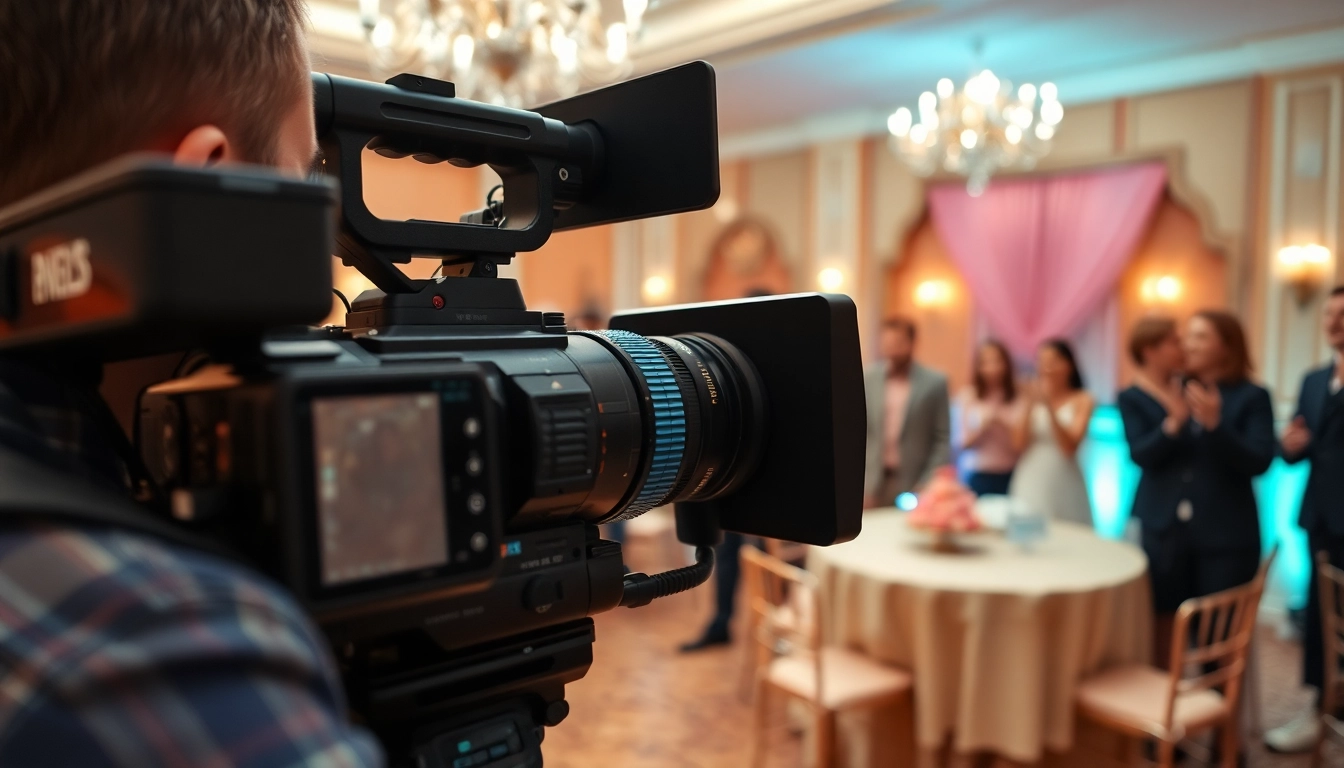
Event videography is the art and practice of capturing video footage of events, such as weddings, corporate functions, parties, and other significant occasions. Unlike traditional filmmaking, which often involves scripted scenes and performances, event videography demands a keen eye for improvisation and spontaneity. Each event is unique, and capturing its essence through video requires a skilled videographer who can anticipate moments as they unfold. By recording these events, videographers enable clients to relive memories and share experiences with others. Through the use of various techniques and equipment, Event videography encapsulates the atmosphere and emotion of a particular moment in time.
The Importance of Event Videography
The significance of event videography extends far beyond mere documentation. Video captures emotions, moods, and moments that photography may not convey as effectively. It allows individuals to revisit special occasions in a more profound way, ensuring that memories remain vivid and engaging. For businesses, event videography can serve as powerful marketing content, showcasing events like product launches, seminars, and conferences. This not only fosters a sense of community among attendees but also serves as an invaluable resource for marketing and promotional purposes, allowing companies to connect with potential customers by sharing their events online.
Key Elements of Effective Event Videography
Effective event videography hinges on several critical elements:
- Storytelling: Every event has a narrative. Understanding how to tell that story through video is fundamental.
- Technical Skills: A solid grasp of videography techniques, such as framing, lighting, and audio capture, is essential.
- Emotional Engagement: Capturing the feelings of attendees adds depth and connection to the footage.
- Attention to Detail: Significant moments often occur spontaneously, so a videographer must remain alert and prepared to capture them.
Essential Equipment for Event Videographers
Cameras and Lenses for Event Videography
The choice of camera and lenses plays a pivotal role in the quality of event videography. A professional-grade camera with high-resolution capabilities and excellent low-light performance is essential, as many events occur in varied lighting conditions. Popular choices include DSLRs, mirrorless cameras, and camcorders that allow for various shooting modes. It’s equally important to select the right lenses for versatility. Wide-angle lenses are ideal for capturing large groups or expansive venues, while telephoto lenses are perfect for isolating subjects from a distance. Ultimately, a combination of equipment tailored to the specific needs of the event enhances the final product.
Audio Gear Essentials
Audio quality is just as critical as visual quality in event videography. Poor audio can detract from an otherwise stellar video. Essential audio gear includes lavalier microphones for capturing speeches and conversations, shotgun microphones for directional sound capture, and portable audio recorders. Investing in windshields and shock mounts can also drastically improve sound quality, especially in outdoor environments where wind and ambient noise can interfere with recordings. Testing audio equipment before the event is vital to ensuring a seamless recording experience.
Lighting Equipment Tips
Effective lighting enhances the visual appeal of event videos. While natural light can be beautiful, relying solely on it may not always be feasible. Videographers should carry portable light sources, such as LED panels and softboxes, to illuminate subjects without harsh shadows. A combination of ambient and supplemental lighting can create a more dynamic viewing experience. Additionally, understanding how to manipulate light can help in setting the mood for different scenes, enhancing the storytelling aspect of the video.
Planning Your Event Videography Shoot
Pre-Event Consultation Strategies
A successful videography project begins long before the event itself. Pre-event consultations allow videographers to understand client expectations, event logistics, and key moments that must be captured. During these consultations, discussing the event schedule, special guests, and any specific shots the client desires can ensure a smoother shooting process. It’s also an opportunity to address any concerns and outline the videographer’s workflow, establishing trust and clarity.
Storyboarding Your Event Videography
Storyboarding helps videographers visualize the flow of the event video before the big day. By sketching or outlining key scenes and moments, they can anticipate the best angles and shots to capture. A well-thought-out storyboard serves as a flexible guide that can adapt to the dynamic nature of events. This preparation contributes significantly to time management during the shoot, maximizing efficiency in capturing all essential moments without missing any critical scenes.
Coordinating with Event Planners
Collaboration with event planners is crucial for effective event videography. Being on the same page about timelines, key activities, and locations ensures the videographer knows where to be and when. Regular communication with planners ahead of the event can lead to unforeseen adjustments that may benefit both video quality and workflow. It is vital to establish a rapport that fosters teamwork and enhances both the videographer’s output and the overall event experience.
Filming Techniques for Captivating Event Videography
Camera Angles and Movement
Utilizing varied camera angles and movement can significantly enhance the visual storytelling aspect of event videography. Techniques such as panning, tilting, and tracking shots add dynamism to the footage. Experimenting with bird’s-eye views, close-ups, and wide shots helps create visual interest and diversity within the video. Ensuring smooth transitions between shots enhances continuity and keeps the viewer engaged throughout the entire event.
Capturing Emotions and Highlights
Capturing genuine emotions is what sets great event videography apart. Focusing on people’s reactions, interactions, and significant occurrences helps weave an emotional narrative that resonates with viewers. Strategically positioning the camera to catch authentic moments and candid interactions adds depth to the story being told. Highlighting emotional responses, such as laughter and tears, not only makes the video more relatable but also ensures that the essence of the event remains intact.
Effective Use of B-Roll Footage
B-roll footage is supplementary video that adds context and richness to the main narrative. Films often use B-roll to support the story, and event videography is no exception. Including shots of the venue, decorations, food, and attendees interacting enhances the viewer’s understanding of the event atmosphere. Careful integration of B-roll during editing contributes to a more engaging final product, allowing the audience to feel fully immersed in the event experience.
Post-Production for Event Videography
Editing Techniques for Engaging Videos
Edit the raw footage with a keen focus on storytelling. Organizing clips into coherent sequences, enhancing transitions between scenes, and ensuring a balanced pacing are all essential elements of effective video editing. Color grading can also play a significant role in setting the tone and mood of the video. Additionally, utilizing polished cuts and overlays can help maintain viewer engagement while refining the overall visual appeal.
Incorporating Music and Audio
Music is a powerful tool in video editing, as it can evoke emotions and enhance storytelling. Selecting appropriate royalty-free music that complements the pace and feel of the event adds layers to the video. Syncing audio cues with key visual moments maximizes emotional resonance. Balancing background music with the primary audio—such as speech and sound effects—ensures clarity and overall audio quality.
Delivering the Final Product
Once editing is complete, it’s time to deliver the final product. This is where presentation matters—ensuring the video is rendered in high quality and in formats suitable for various platforms (e.g., social media, websites, physical copies) will maximize audience reach. Communicating with clients about expectations for the delivery timeline and formats is crucial. Providing the option for various edits—full highlights, brief teasers, or customized versions—can enhance client satisfaction.
FAQs about Event Videography
What types of events can be covered by videographers?
Videographers can cover diverse events, including weddings, corporate functions, parties, graduations, and seminars. Each type presents unique opportunities for storytelling.
How long does it take to produce an event video?
The production time varies based on the event’s length and complexity, but typically, editing may take anywhere from a few days to several weeks to finalize.
What is the best way to prepare for an event videography shoot?
Preparation involves a pre-event consultation, understanding the timeline, and creating a storyboard. Familiarizing yourself with the venue also aids in planning shot locations.
How much does event videography typically cost?
The cost of event videography depends on factors like location, duration, and videographer experience but can range from a few hundred to several thousand dollars.
Can I request specific shots or styles for my video?
Absolutely! Discuss your preferences with the videographer beforehand. Customizing shot types and styles ensures the final product meets your vision.