Understanding Colonial Home Renovation
Colonial homes represent a unique blend of history, architecture, and cultural significance. Renovating these historic homes is more than just a construction project; it’s an act of preservation and respect for the past. If you’re considering a colonial home renovation, understanding the distinctive aspects of these homes is essential for a successful project.
What Defines a Colonial Home?
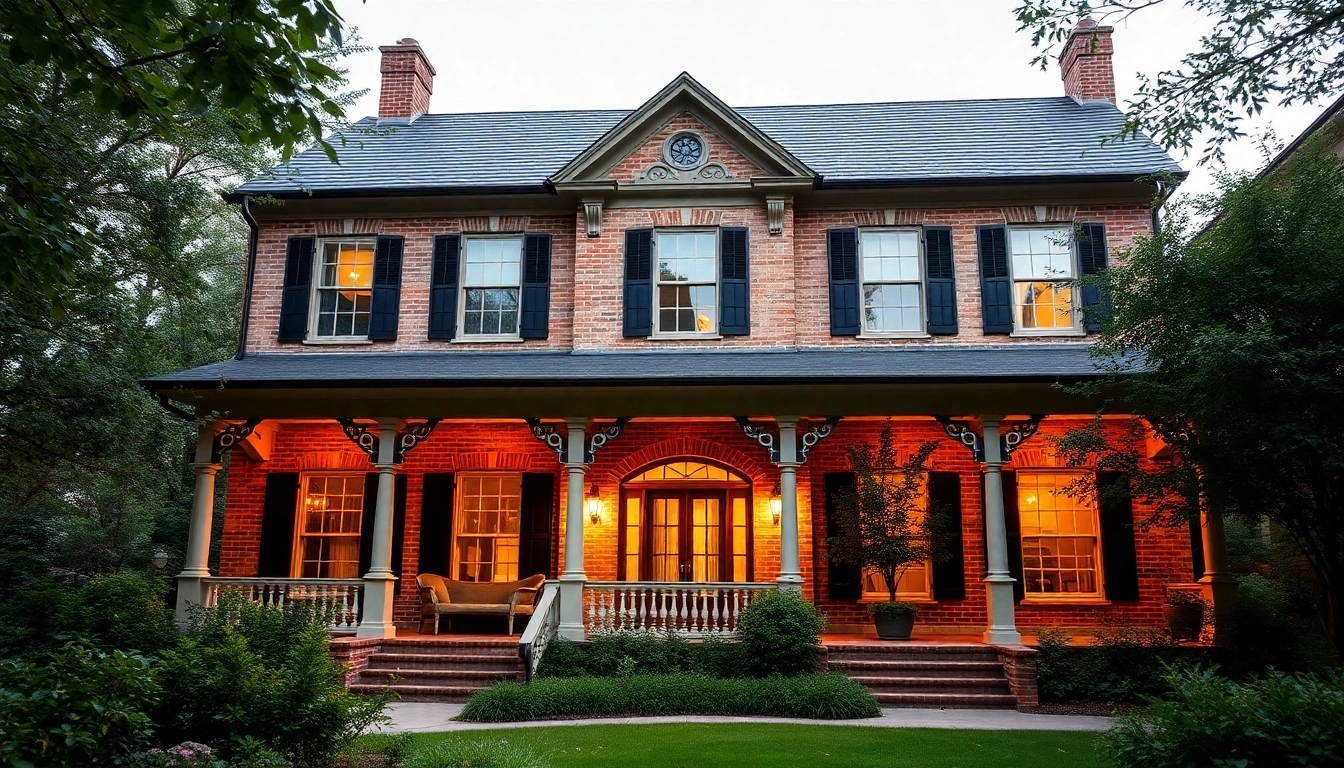
Colonial homes are characterized by their symmetrical design, multi-pane windows, and classic, rectangular shape. These houses often feature distinct architectural elements that reflect the era in which they were built—from the early 1600s to the late 1700s. Common identifiers include:
- Centered front doors, often elaborately decorated.
- Chimneys that are typically placed centrally or on either end of the roof.
- Symmetrical facade with balanced window placements.
- Gabled roofs that offer a traditional look.
- One to two stories high, promoting an intimate home environment.
Historical Elements Essential to Colonial Design
Preserving the historical elements is crucial during a renovation. Key features to focus on include:
- Original Woodwork: Crown molding, wainscoting, and door casings that reflect the craftsmanship of the time.
- Fireplaces: Many colonial homes have grand fireplaces, often constructed with local stone or brick, serving both aesthetic and functional purposes.
- Hardware: Antique doorknobs, hinges, and locks that enhance the home’s historical integrity.
- Windows: The quintessential multi-pane window with wooden sashes contributes significantly to the colonial aesthetic.
Benefits of Renovating a Colonial Home
Renovating a colonial home offers numerous advantages, such as:
- Preservation of Heritage: Maintaining a piece of history ensures cultural significance is passed down through generations.
- Increased Property Value: Thoughtfully executed renovations can increase the home’s value significantly, appealing to prospective buyers.
- Integration of Modern Amenities: Updating systems such as plumbing and electricity while maintaining classical architecture makes for a comfortable living experience.
Planning Your Renovation
Setting a Realistic Budget for Colonial Home Renovation
Budgeting for a colonial home renovation can be complex due to the specific materials and skilled labor often required. Start with:
- Assessing the extent of renovations needed: Is it cosmetic, structural, or both?
- Researching average costs for similar renovations within your area.
- Creating a contingency fund of at least 10-20% for unexpected expenses.
Hiring the Right Professionals
Engaging the right professionals can significantly impact the success of your renovation. Consider hiring:
- Architects: Those with experience in colonial design can provide invaluable insights into maintaining authenticity.
- Contractors: A contractor specializing in historical renovations will understand how to work with older homes.
- Restoration Experts: They can help identify original materials and provide restoration techniques.
Timeline Expectations for Renovation Projects
Timeline expectations can vary widely, depending on the scope of work. Consider these timeframes for major renovation phases:
- Planning and Permitting: 1-3 months for detailed plans and necessary approvals.
- Construction: 3-6 months, from structural changes to interior work.
- Final Inspections and Touch-ups: 1 month for final details and to ensure everything meets historical guidelines.
Key Design Features in Colonial Home Renovation
Restoring Authentic Architectural Details
One of the most critical aspects of renovating a colonial home is the restoration of authentic architectural details. This can include:
- Re-creating gone architectural elements based on historical research.
- Using period-appropriate materials to ensure visual harmony.
- Considering traditional layouts while accommodating modern lifestyles.
Choosing Paint Colors that Bring Out Colonial Charm
Colors play an integral role in the aesthetic appeal of colonial homes. While many colonial homes originally featured muted colors, today’s palette can offer a blend of tradition and personality. Recommended colors include:
- Earthed Tones: Deep reds, rich greens, and soft yellows resonate well with the architecture.
- Martin Design Colors: This unique brand specializes in historic colonials and can bring various other color palettes.
Landscaping Tips for Colonial Homes
Landscaping should complement the architectural style of the colonial home. Some elements to consider:
- Symmetrical layouts should reflect the home’s symmetry.
- Evergreen plants can preserve a classic look year-round.
- Decorative pathways made of brick or cobblestone can enhance curb appeal.
Common Challenges in Colonial Home Renovation
Addressing Structural Issues
Many colonial homes are decades or even centuries old, leading to unique structural challenges. Potential issues could include:
- Foundation Settling: This might necessitate underpinning or reinforcement.
- Framing Issues: Old wood may need replacement, impacting wall integrity.
- Roofing Concerns: Aging roofs might require extensive repairs or replacements.
Managing Historical Preservation Guidelines
Renovations may be subject to local historical preservation guidelines that dictate how and what can be changed in a property. Steps to ensure compliance include:
- Researching local laws regarding historic preservation.
- Consulting with historical societies or preservation boards during planning.
- Documenting changes for future reference.
Balancing Modern Upgrades with Historical Integrity
During renovations, it’s essential to find a balance between modern upgrades and maintaining historical integrity. Consider ideas such as:
- Incorporating modern amenities without overwhelming historical details.
- Using modern materials that mimic traditional ones in appearance.
- Maintaining key architectural features while integrating new technology.
Frequently Asked Questions About Colonial Home Renovation
What is the average cost of colonial home renovation?
The average cost varies based on the scope of work but generally ranges between $100 to $300 per square foot, depending on materials and labor.
How do I maintain the historical integrity of my colonial home?
Preserve original features as much as possible, use authentic materials for repairs, and consult experts in historical preservation throughout the renovation process.
Can I add modern amenities without compromising style?
Yes, integrating modern amenities is possible by choosing discreet placements and using materials that blend seamlessly with the home’s historical design.
What are common mistakes to avoid during renovation?
Common mistakes include underestimating budgets, neglecting structural issues, and overlooking the importance of historical guidelines when making renovations.
How long does a typical renovation take?
A typical renovation can take anywhere from 6 months to a year, depending on the extent of the work and the specific historical considerations needed.