Understanding the Kitchen Sink in Stainless Steel
The kitchen sink is one of the often-overlooked yet pivotal elements in any kitchen space. It serves not just a functional purpose but also contributes to the overall aesthetics of the kitchen. Among the various materials available for kitchen sinks, kitchen sink in stainless steel has emerged as a popular choice for many homeowners and designers alike. In this section, we’ll delve into what makes stainless steel kitchen sinks unparalleled in durability, elegance, and practicality.
Benefits of Stainless Steel Kitchen Sinks
Stainless steel kitchen sinks offer numerous benefits, making them a prime choice for both modern and traditional kitchens. Let’s look at some key advantages:
- Durability: Stainless steel is known for its toughness. Unlike porcelain or ceramic, it doesn’t chip or crack easily. This resilience makes it ideal for heavy-duty kitchen tasks.
- Heat Resistance: Stainless steel can withstand high temperatures without warping or discoloration, which is particularly useful when placing hot pots or pans directly into the sink.
- Easy to Clean: The smooth, non-porous surface of stainless steel sinks makes cleaning a breeze. A simple wipe down with soap and water is usually sufficient to keep them sparkling.
- Stylish Appearance: Stainless steel has an inherent sleekness and modernity that enhances any kitchen’s look, seamlessly fitting into various design schemes.
- Corrosion Resistance: Made from a mix of steel and chromium, stainless steel resists rust and corrosion, making it a long-lasting investment.
Types of Stainless Steel Sinks
When it comes to kitchen sink in stainless steel, variety plays a crucial role. Here are the most common types to consider:
- Drop-In Sinks: These sinks are easy to install by dropping them into pre-cut holes in your countertop. They have a lip that rests on the countertop surface.
- Undermount Sinks: Installed beneath the countertop, these sinks provide a seamless look and are easier to clean as there are no edges to trap debris.
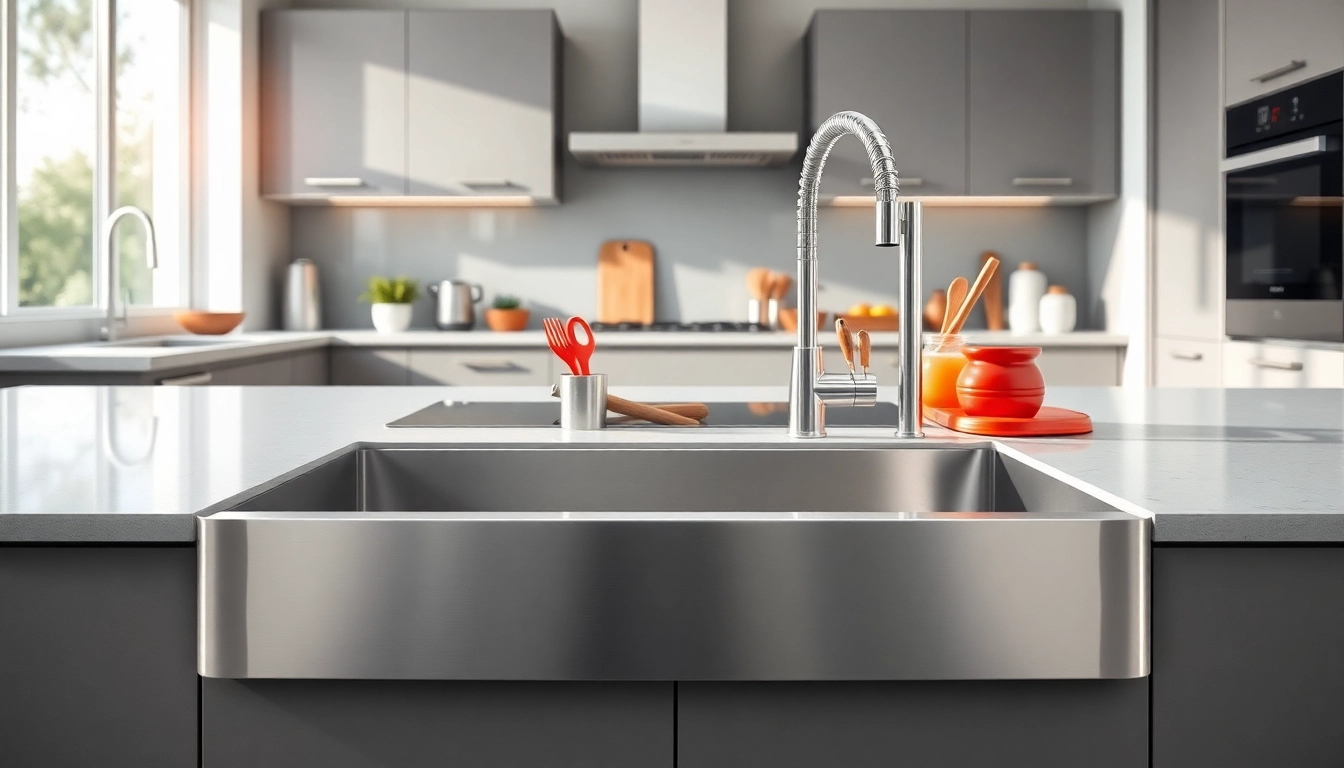
- Farmhouse Sinks: Also known as apron sinks, these feature a front extension that sits flush with the countertop. They are great for those who want both style and functionality.
- Double Bowl Sinks: These sinks have two basins, allowing for multi-tasking, such as washing dishes on one side and rinsing fruits and vegetables on the other.
- Single Bowl Sinks: With one deep basin, these sinks are perfect for washing large pots and pans without restrictions.
Common Styles and Features
In addition to the types, there are various styles and features that can enhance the functionality of your kitchen sink:
- Soundproofing: Many modern stainless steel sinks are designed with soundproofing features to minimize noise from running water and clattering dishes.
- Integrated Drainboards: Some sinks come with integrated drainboards that provide additional space for drying dishes, making them more efficient.
- Custom Sizes: Custom-sized sinks are becoming more popular, allowing homeowners to fit the sink perfectly into their kitchen layouts.
- Finish Options: Stainless steel sinks are available in various finishes, from brushed to polished, catering to personal tastes and kitchen themes.
Installing Your Kitchen Sink in Stainless Steel
With a bit of preparation and the right tools, installing a stainless steel sink can be a gratifying DIY project. Here’s a comprehensive guide on how to go about it.
Preparation and Tools Needed
Before starting the installation, gather all necessary materials and tools:
- Tools: Adjustable wrench, screwdrivers, plumber’s tape, level, and a utility knife.
- Materials: Sink, mounting clips, silicone sealant, drain assembly, and faucet.
Preparation involves turning off the water supply, removing the old sink, and cleaning the countertop surface where the new sink will be installed.
Step-by-Step Installation Guide
- Position the Sink: Place the sink into the designated area to check the fit. Make sure it aligns properly with the existing plumbing.
- Secure the Sink: Use mounting clips to secure the sink in place. Ensure it is level to avoid drainage issues.
- Seal the Edges: Apply a bead of silicone sealant around the edges where the sink meets the countertop to prevent leaks.
- Install the Faucet: Follow the manufacturer’s instructions to install the faucet, ensuring all connections are tight.
- Connect the Plumbing: Reconnect the water supply lines and the drain assembly, making sure there are no leaks.
- Test the Installation: Turn on the water supply and check for any leaks. Test the faucet and drainage functionality.
Common Installation Mistakes to Avoid
When undertaking the installation of a stainless steel sink, it’s easy to make a few common mistakes:
- Inaccurate Measurements: Always double-check measurements before cutting or purchasing a sink.
- Skipping the Sealant: Failing to apply sealant can lead to water leakage and damage over time.
- Not Leveling the Sink: An unlevel sink can lead to drainage problems. Always use a level to ensure proper installation.
- Ignoring Manufacturer Instructions: Failing to follow guidelines can result in improper installation, leading to functionality issues.
Maintaining Your Kitchen Sink in Stainless Steel
Keeping your kitchen sink in stainless steel in top condition requires regular maintenance. Let’s explore how to sustain its longevity and shine.
Cleaning Tips for Longevity
Regular cleaning is essential to maintain the appearance of your sink. Use a soft cloth or sponge along with mild detergent to clean the surface. Avoid abrasive cleaners, as they can scratch and dull the finish. Rinse thoroughly and dry with a soft cloth to prevent water spots.
Protecting from Scratches and Dents
To avoid scratches, consider using a sink grid or mat. These accessories provide a protective barrier between your pots, pans, and the sink surface. Always lift kitchen items rather than dragging to prevent denting.
Professional Maintenance vs. DIY
While basic cleaning and maintenance can be done easily at home, some issues might require professional help. Unclogging drains, fixing plumbing leaks, or addressing significant scratches may be best left to an expert to ensure safety and efficiency.
Selecting Accessories for Your Stainless Steel Sink
Accessories can significantly enhance the functionality of your kitchen sink in stainless steel. Here are key items to consider integrating into your kitchen setup.
Choosing the Right Faucet
When selecting a faucet, consider functionality and style. Opt for a high-arc design for ease of use with larger pots, and make sure the faucet reaches all areas of the sink. Additionally, consider options with pull-down sprayers for multi-functional use.
Sink Grid and Drain Options
A sink grid not only protects the surface from scratches but also allows water to flow freely during washing. Drain options available range from basket strainers to pop-up drains. Choose based on simplicity of use and drain efficiency.
Organizing Your Sink Space
Keeping your sink area organized can enhance your cooking experience. Invest in sink caddies or baskets for kitchen tools and utensils, and consider dividers for sorting dishes and cutlery efficiently. An organized space also reduces clutter and makes cleaning up easier.
Frequently Asked Questions about Kitchen Sink in Stainless Steel
What are the advantages of a stainless steel sink?
Stainless steel sinks are durable, resistant to heat and rust, easy to clean, and stylish, making them a popular choice.
Are stainless steel sinks easy to install?
Yes, stainless steel sinks can be installed without professional help, although it requires proper preparation and tools.
How do I maintain my stainless steel sink?
Regular cleaning with mild detergent and avoiding abrasive cleaners will keep your sink looking brand new.
Can I use a stainless steel sink for heavy pots and pans?
Yes, stainless steel is highly resilient and can handle heavy cookware without damage, if properly cared for.
What thickness of stainless steel is best for sinks?
A thickness of 16-gauge is generally recommended for a balance of durability and weight, ensuring long-term use.