
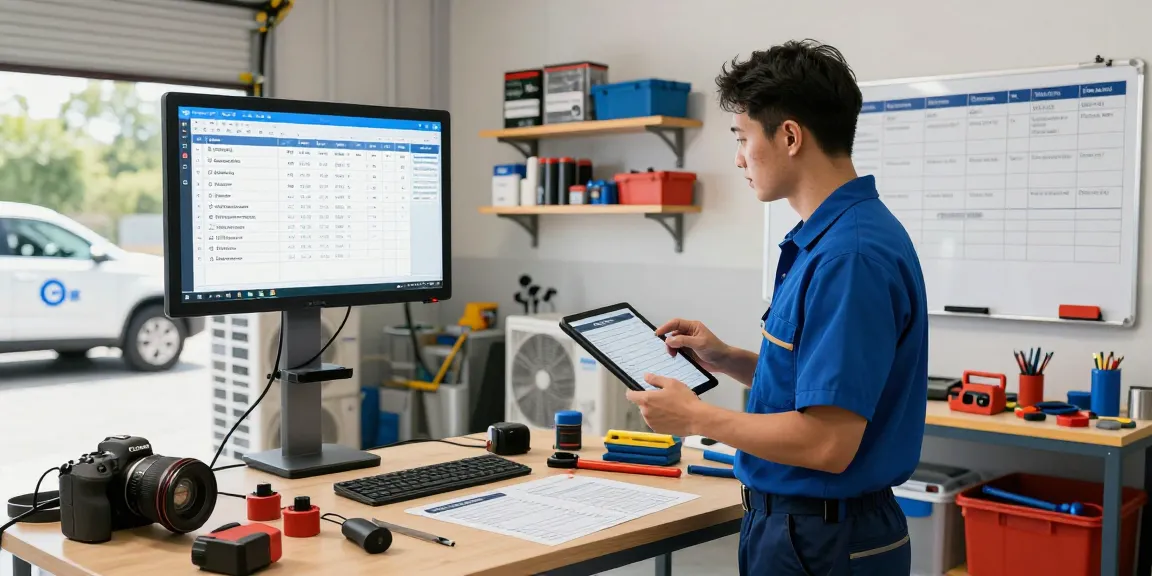
Understanding HVAC Service Software
In the fast-paced world of HVAC (Heating, Ventilation, and Air Conditioning) services, efficiency and customer satisfaction are paramount. As service providers seek to optimize operations and streamline workflows, HVAC service software emerges as a transformative solution. This software encompasses various tools designed to enhance service delivery, manage customer relationships, and track operational performance. When exploring options, * HVAC service software offers a comprehensive suite of features tailored to modern service businesses.
What is HVAC Service Software?
HVAC service software is a cloud-based platform that assists companies in managing their service operations effectively. This software integrates functionalities such as scheduling, dispatching, invoicing, and customer relationship management (CRM). By consolidating these essential services into a single platform, HVAC professionals can focus more on their core business while minimizing administrative burdens.
Key Features of HVAC Service Software
- Scheduling and Dispatch: The ability to schedule jobs and dispatch technicians in real-time is a cornerstone feature. This ensures that the right technician is assigned to the right job, improving service delivery and customer satisfaction.
- Invoicing and Payment Processing: Automated invoicing and seamless payment processing streamline the financial aspect of service management, making it easier for businesses to maintain cash flow.
- Customer Management: CRM functionalities help businesses manage customer interactions, track service history, and improve communication.
- Mobile Access: With mobile applications, technicians can access job details and customer information on the go, enhancing their capability to serve clients effectively.
- Analytics and Reporting: Advanced reporting features provide insights into business performance, enabling data-driven decision-making.
Benefits of Using HVAC Service Software
Investing in HVAC service software yields numerous benefits, including:
- Increased Efficiency: Automation reduces manual tasks, allowing staff to focus on more strategic activities.
- Enhanced Customer Experience: Quick response times and seamless communication lead to higher customer satisfaction ratings.
- Improved Accuracy: Automated systems minimize errors associated with manual data entry, resulting in more accurate job costing and billing.
- Better Resource Management: Optimization of technician routes and schedules ensures that resources are utilized effectively, reducing operational costs.
How HVAC Service Software Enhances Efficiency
Streamlining Scheduling and Dispatching
Effective scheduling and dispatching are essential for HVAC businesses. With HVAC service software, companies can automate scheduling processes, allowing technicians to receive job assignments directly on their mobile devices. This real-time communication enables rapid adjustments to schedules based on unforeseen circumstances, such as cancellations or delays. Furthermore, intelligent scheduling algorithms can optimize technician routes, ensuring minimal travel time and maximized productivity.
Real-Time Job Tracking and Management
One of the standout features of HVAC service software is real-time job tracking. This allows managers to monitor job progress, technician locations, and customer feedback instantaneously. By having this information at their fingertips, managers can make informed decisions, adjust workflows, and communicate proactively with customers. For example, if a technician is running late, they can notify the customer via automated messaging systems, enhancing transparency and trust.
Automating Billing and Invoicing Processes
Billing and invoicing can be time-consuming if done manually. HVAC service software automates these processes, generating invoices upon job completion and offering customers multiple payment options. This not only accelerates payment cycles but also minimizes discrepancies, making accounts receivable management simpler and more efficient.
Choosing the Right HVAC Service Software
Criteria for Selection
When selecting HVAC service software, businesses should consider several key criteria:
- Scalability: The software should be able to grow with the business, accommodating additional users and features as needed.
- User-Friendly Interface: An intuitive interface reduces the training time for employees and increases adoption rates.
- Integration Capabilities: The ability to integrate with existing tools such as accounting software or Customer Relationship Management systems is crucial for streamlined operations.
- Customer Support: Reliable customer support ensures that issues can be resolved quickly and efficiently, minimizing downtime.
Comparative Analysis of Popular Options
There are several HVAC service software solutions available on the market. Here’s a comparison of some of the most popular:
- ServiceTitan: Known for its comprehensive feature set and usability, it excels in large-scale operations.
- Jobber: Best suited for small to medium-sized businesses, it offers robust scheduling and invoicing features.
- Housecall Pro: A user-friendly interface and solid customer service make it a favorite among contractors.
- FieldEdge: Focused on mobile functionality, FieldEdge provides great tools for field technicians.
Pricing Models and Cost Considerations
Understanding the pricing models of HVAC service software can prevent unexpected expenses. Most providers offer subscription-based pricing, which varies based on the features included and the number of users. It is crucial to weigh the costs against the potential return on investment to determine the best fit for your business.
Implementing HVAC Service Software in Your Business
Step-by-Step Implementation Guide
Implementing HVAC software can be straightforward if done methodically. Here’s a step-by-step guide:
- Identify Needs: Assess the specific needs of your business and determine which features are most relevant.
- Select a Vendor: Choose the software that best fits your requirements based on your analysis and budget.
- Plan the Implementation: Create a detailed rollout plan, including timelines and responsibilities.
- Train Your Team: Provide comprehensive training to ensure that all employees can use the new system effectively.
- Go Live: Launch the software, monitor its usage, and make adjustments as necessary.
Common Challenges and Solutions
Implementing new technology can come with challenges, such as resistance to change or data migration issues. To overcome these obstacles, it’s essential to engage team members early in the process, communicate the benefits of the new system effectively, and provide ongoing support during the transition.
Training Your Team on New Software
Training is vital to the successful adoption of HVAC service software. Training sessions can be structured as hands-on workshops, online tutorials, or one-on-one coaching sessions. Regular follow-ups and refresher courses can help keep employees up to date as features are updated or changed.
Future Trends in HVAC Service Software
Emerging Technologies in the Industry
As technology continues to evolve, HVAC service software is becoming increasingly sophisticated. Innovations such as Internet of Things (IoT) integration allow for real-time monitoring of HVAC systems, enabling proactive maintenance and enhancing customer service.
Predictions for HVAC Software Development by 2026
By 2026, we can expect HVAC service software to incorporate even more advanced features, such as enhanced artificial intelligence capabilities for predictive maintenance and customer behavior analysis. Such tools will help businesses stay ahead of the competition and improve operational efficiency.
The Role of AI in HVAC Service Management
Artificial intelligence is set to play a pivotal role in HVAC service management. AI capabilities will enhance scheduling, optimize routes, and increase the accuracy of job estimates, allowing businesses to operate more efficiently while reducing costs.
What are the best HVAC service software options?
The best HVAC service software options vary based on specific business needs. Popular choices include ServiceTitan for larger operations, Jobber for small businesses, and Housecall Pro for its user-friendly interface.
How can HVAC service software improve customer satisfaction?
HVAC service software can significantly enhance customer satisfaction by providing transparent communication, reducing wait times, and ensuring timely service delivery, which all correlate with higher customer loyalty.
Is HVAC service software suitable for small businesses?
Yes, HVAC service software is designed to accommodate businesses of all sizes. Many solutions offer scalable features that grow with your business, making them ideal for small operations looking to optimize their service delivery.
What costs should I consider when choosing HVAC software?
Consider subscription fees, implementation costs, training expenses, and additional fees for upgrades or add-ons when evaluating HVAC software pricing.
How do I train my team on new HVAC service software?
Training can be implemented through structured programs, hands-on workshops, and access to online resources to ensure your team is comfortable with the new software and can leverage its full potential.