
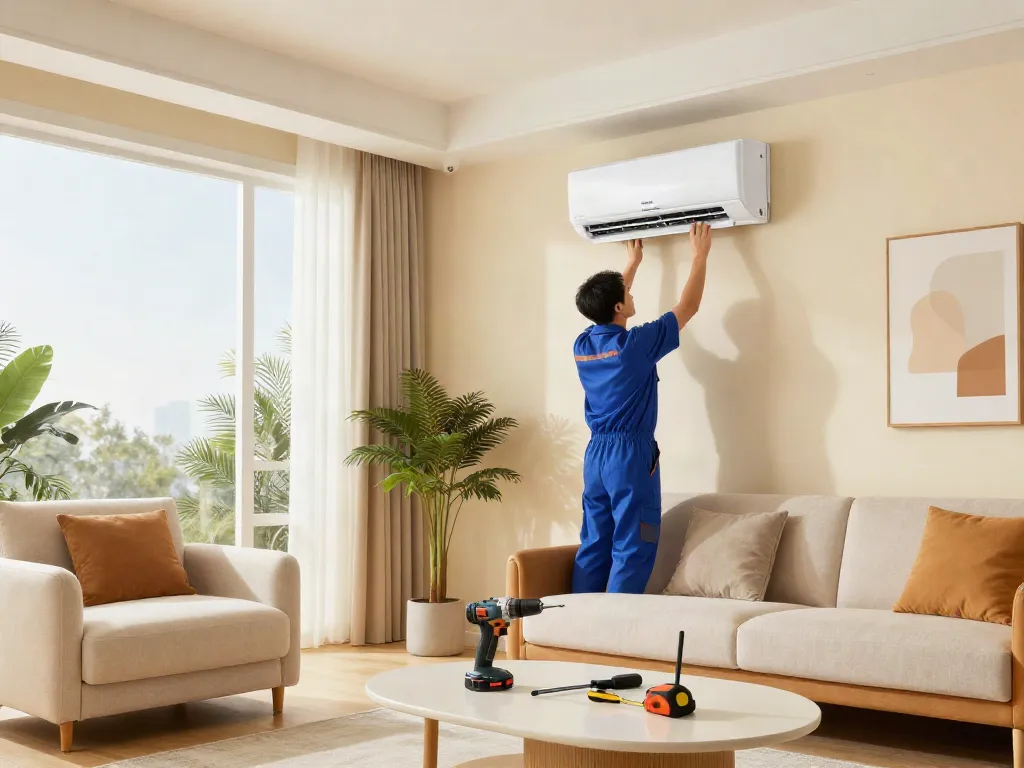
Understanding the 2400 BTU Mini Split System
As temperatures rise and efficiency becomes a priority, understanding the features and benefits of the 2400 btu mini split system can be a game changer for homeowners. These systems, known for their flexible installation and zoned heating and cooling capabilities, provide an ideal solution for a wide range of settings, from residential homes to commercial spaces. This article delves into the essentials of mini split systems, focusing on their technology, benefits, and installation to help you make informed decisions for your climate control needs.
What is a Mini Split System?
A mini split system is an air conditioning and heating solution comprising two main components: an outdoor unit and one or more indoor units. Unlike traditional HVAC systems that use ducts to distribute air, mini splits connect via refrigerant lines, allowing for precise temperature control in individual rooms or zones. This design maximizes efficiency and reduces energy consumption, making mini splits a popular choice among energy-conscious consumers.
Benefits of a 2400 BTU Mini Split
One of the primary advantages of a 2400 BTU mini split is its size, which is particularly effective for spaces up to 1,500 square feet. This capacity is ideal for large living rooms, open-concept areas, or even small commercial offices. Other notable benefits include:
- Energy Efficiency: Mini split systems often have higher SEER (Seasonal Energy Efficiency Ratio) ratings, leading to lower utility bills.
- Flexible Installation: These units do not require ductwork, simplifying installation and making them suitable for homes without existing ducts.
- Quiet Operation: Mini splits operate much quieter than traditional HVAC systems, ensuring a comfortable environment.
- Zoned Control: With the ability to control temperature in individual rooms, mini splits eliminate the need to heat or cool unused spaces.
How It Works: The Technology Behind Mini Splits
At the heart of a mini split system is its inverter technology, which allows for continuous operation while adjusting the speed of the compressor. This feature leads to more consistent temperatures and energy savings compared to conventional systems that turn on and off.
Mini splits use refrigerants to transfer heat. In cooling mode, the system pulls heat from the indoor air and transfers it outside; during heating mode, it does the reverse. Notably, most modern mini splits also integrate smart technology, allowing users to control settings remotely via smartphone applications.
Key Features to Look For in 2400 BTU Mini Splits
Energy Efficiency Ratings Explained
When evaluating mini split systems, understanding energy efficiency ratings is crucial. The SEER rating indicates the cooling output divided by energy consumed. Higher SEER ratings reflect greater energy efficiency, often translating to significant long-term savings. As of 2026, the Energy Star program recommends units with a minimum SEER rating of 15 for optimal energy savings.
Cooling and Heating Capacity Considerations
Choosing the correct capacity for your mini split is essential. A 2400 BTU unit is designed for medium to large spaces, but it’s vital to consider factors such as insulation quality, room size, and local climate. By properly assessing these aspects, homeowners can ensure they select a system that meets their specific cooling and heating demands.
Smart Technology Integration in Modern Units
Modern mini split systems come equipped with smart technology features, providing users with added convenience and energy management capabilities. Features such as Wi-Fi connectivity, voice control compatibility, and programmable settings can enhance user experience while optimizing energy consumption. These advancements support the shift towards smarter, more efficient home climate control.
Installation and Maintenance Best Practices
Essential Installation Tips for Homeowners
Proper installation is crucial for the functionality of your mini split system. Here are some tips to keep in mind:
- Select the Correct Location: Place indoor units in locations that allow for optimal air distribution. Avoid direct sunlight or obstructions.
- Ensure Professional Installation: While DIY installation is possible, hiring a qualified technician ensures proper setup and maximizes efficiency.
- Keep Outdoor Units Clear: Ensure that the outdoor unit has ample space for air circulation and is protected from debris.
Regular Maintenance Routines to Improve Longevity
Routine maintenance is vital for extending the life of your mini split system. Recommended practices include:
- Cleaning the Filters: Regularly clean or replace filters to maintain air quality and efficiency.
- Checking Refrigerant Levels: Ensure proper refrigerant levels to prevent strain on the system.
- Scheduling Professional Inspections: Annual inspections by HVAC professionals can preemptively address potential issues.
Common Issues and Troubleshooting
Even with regular maintenance, mini split systems can encounter issues. Common problems include:
- Unusual Noises: These might indicate loose parts or foreign objects obstructing the unit.
- Reduced Airflow: Often caused by dirty filters or blocked outdoor units.
- Inconsistent Temperatures: This can result from improper installation or refrigerant leaks.
Comparing 2400 BTU Mini Split Brands and Models
Top Brands to Consider for Quality and Durability
When shopping for a 2400 BTU mini split, brand reputation plays a significant role in ensuring quality and durability. Some of the leading brands include:
- Mitsubishi: Renowned for reliability and advanced technology.
- Daikin: Offers a wide range of energy-efficient models.
- LG: Known for innovative features and stylish designs.
Feature Comparisons: What Sets Them Apart?
While many brands offer similar capacities, features such as energy efficiency, warranty coverage, and additional functionalities can set them apart. For instance, some models may include built-in Wi-Fi capability or advanced filtration systems, enhancing overall user experience and comfort.
User Reviews and Recommendations
Reading user reviews can provide valuable insights into real-world performance and reliability. Look for feedback on the ease of installation, customer service experiences, and overall satisfaction to find a unit that best fits your needs.
The Future of Mini Split Systems in 2026
Emerging Trends and Innovations
The mini split market is evolving, with several trends emerging for 2026. Innovations in energy efficiency, enhanced smart home integration, and environmentally friendly refrigerants are at the forefront. Manufacturers are focusing on creating systems that not only provide comfort but also reduce environmental impact.
Predicted Changes in Consumer Demand
As awareness of energy efficiency grows, consumers are increasingly seeking eco-friendly solutions. This shift is expected to drive demand for high-efficiency mini split systems, particularly those with advanced smart technologies that offer convenience and cost savings.
The Role of Eco-Friendliness in Industry Growth
The HVAC industry is under pressure to reduce its carbon footprint, and mini split systems are well-positioned to meet this challenge. The use of renewable energy sources, such as solar-assisted models, will likely gain traction, promoting a more sustainable approach to heating and cooling.
Frequently Asked Questions
What size space is ideal for a 2400 BTU mini split?
A 2400 BTU mini split is typically ideal for spaces up to approximately 1,500 square feet, depending on insulation and climate conditions.
How energy efficient are 2400 BTU mini splits?
Energy efficiency can vary by model, but many 2400 BTU mini splits feature SEER ratings between 15 and 30, leading to significant energy savings over time.
What is the average lifespan of a mini split system?
With proper maintenance, a mini split system can last anywhere from 15 to 20 years, making regular care essential for longevity.
Can I install a mini split myself?
While some homeowners opt for DIY installation, it is recommended to hire a professional. Proper installation is crucial for efficiency and performance.
What maintenance is required for a mini split?
Regular maintenance includes cleaning or replacing filters, checking refrigerant levels, and scheduling annual inspections with a professional HVAC technician.