Understanding Text to 3D Technology
The evolution of technology continues to reshape the landscape of design and creativity. Among the most exciting advancements is the ability to create 3D models from textual descriptions, popularly known as Text to 3D. This technology allows users to generate intricate 3D models with just a text prompt, revolutionizing workflows across various industries. Let’s explore what Text to 3D is, how it functions, and the myriad benefits it offers designers in 2026.
What is Text to 3D?
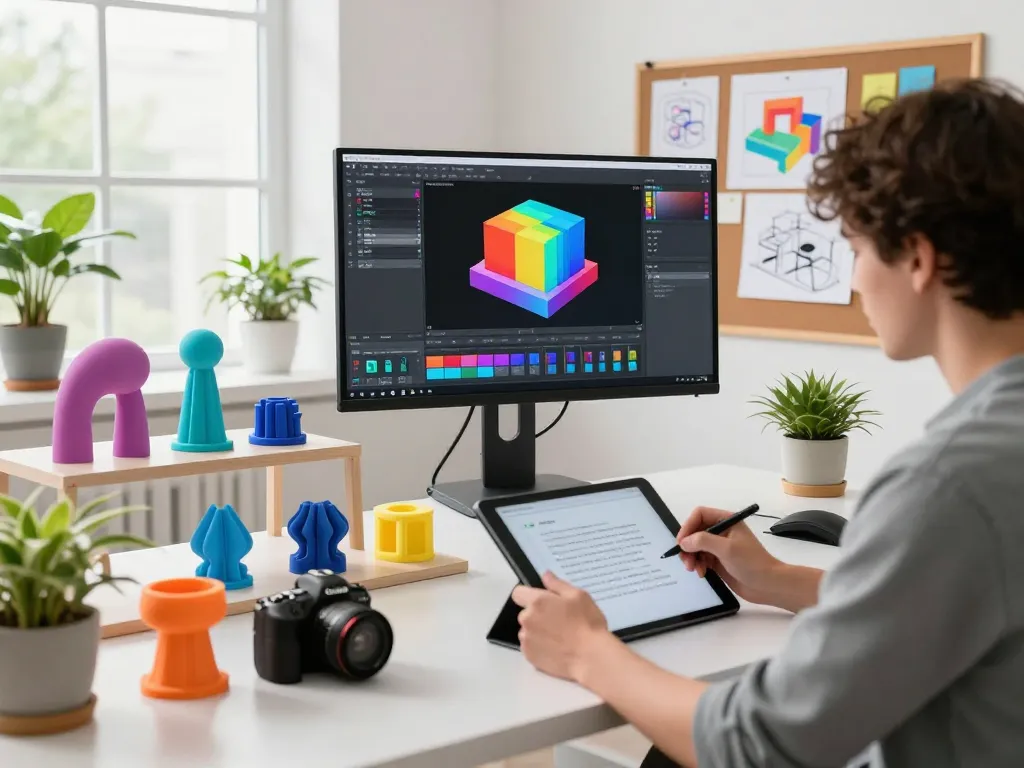
Text to 3D is an innovative technology that enables users to convert written descriptions into three-dimensional models. By leveraging artificial intelligence and machine learning algorithms, platforms can rapidly interpret the nuances of language and transform them into visually compelling 3D representations. This capability is especially significant in fields where rapid prototyping and visualization are essential, such as gaming, product design, and education.
How Text to 3D Works: The Process Explained
The Text to 3D process typically involves several key steps:
- User Input: The designer provides a text prompt describing the desired object or scene.
- Natural Language Processing: The AI utilizes natural language processing (NLP) to analyze the text, identifying key attributes, shapes, and materials.
- 3D Model Generation: Based on the analysis, the system generates a 3D model, employing algorithms that construct geometry and topology that matches the textual description.
- Refinement: Users can refine the generated model, adjusting elements as needed to achieve the desired look and functionality.
Key Benefits of Using Text to 3D in Design
The advantages of adopting Text to 3D technology are numerous:
- Speed: Rapidly produce 3D models, significantly reducing the time spent on the design process.
- Cost-Effectiveness: Lower costs associated with traditional modeling techniques, as fewer resources are needed for initial design drafts.
- Accessibility: Make sophisticated 3D modeling accessible to individuals without extensive technical expertise.
- Creativity Enhancement: Empower designers to experiment with ideas and concepts more freely, fostering innovation.
Current Applications in Various Industries
Text to 3D technology boasts a diverse range of applications across industries, reflecting its adaptability and value. Here are some notable use cases:
Text to 3D in Gaming and Entertainment
The gaming industry has been one of the first to embrace Text to 3D technologies. Game developers can quickly create assets from character descriptions or level design requirements, streamlining the development process. The ability to generate unique and intricate models with minimal effort allows for rapid iteration and creativity, providing players with immersive experiences.
Utilizing Text to 3D in Product Design
In product design, Text to 3D can facilitate the visualization of concepts before physical prototypes are created. Designers can input specifications and receive immediate visual representations, which can be invaluable for user testing and stakeholder presentations. This enhances collaboration among teams and speeds up the go-to-market process.
Text to 3D in Education: Enhancing Learning Experiences
Text to 3D holds significant promise in the educational sector. It allows educators to create engaging learning materials by turning descriptive texts into visual aids, making complex subjects like anatomy or engineering more accessible. Students can interact with 3D models, providing a richer understanding of concepts and encouraging active learning.
Challenges and Misconceptions
Despite its many benefits, there are challenges and misconceptions surrounding Text to 3D technology. Understanding these issues is crucial for effective implementation.
Common Misunderstandings about Text to 3D
One prevalent misconception is that Text to 3D is a magic bullet for all design needs. While it significantly accelerates the modeling process, it is not a substitute for expert design skills. Additionally, the quality of the generated models can vary based on the specificity and clarity of the input text.
Addressing Performance Issues in Text to 3D
Some users may face performance issues, particularly when the AI struggles with complex prompts or creative intentions. To mitigate this, designers should provide clear, concise, and detailed descriptions. Continuous training of AI models on diverse datasets can also improve performance across different subject areas.
Legal and Ethical Considerations in 3D Model Generation
As with any evolving technology, legal and ethical concerns must be addressed. Issues such as copyright infringement, especially when prompted by text descriptions that closely resemble existing works, are significant. Users should be cautious and seek to create original designs while being aware of intellectual property laws.
Best Practices for Text to 3D Implementation
To ensure successful integration of Text to 3D tools, professionals must follow certain best practices:
Steps to Effectively Integrate Text to 3D Tools
Teams should initiate the integration process by assessing existing workflows to identify areas where Text to 3D can streamline operations. Comprehensive training sessions for users will ensure that everyone is equipped to utilize the tools effectively. It’s also beneficial to establish guidelines for input prompts to maximize the quality of generated models.
Tips for Generating High-Quality 3D Models
Here are practical tips for generating optimal 3D models:
- Be Specific: The more detailed the text prompt, the better the resulting 3D model. Include materials, colors, and textures where applicable.
- Iterate: Don’t hesitate to refine prompts or adjust parameters multiple times to achieve desirable outcomes.
- Test Across Platforms: Ensure that models function effectively across various platforms and applications.
Evaluating Performance Metrics for Text to 3D Projects
To measure the success of Text to 3D projects, teams should establish clear metrics and benchmarks. These can include speed of model production, accuracy of outputs relative to prompts, and user satisfaction levels. Regularly collecting feedback from users can inform future improvements and adaptations.
Future Trends in Text to 3D Technology
As we look ahead, several trends are poised to shape the future of Text to 3D technology in 2026 and beyond.
Emerging Technologies Influencing Text to 3D in 2026
The intersection of augmented reality (AR), virtual reality (VR), and 3D modeling will create new opportunities for Text to 3D technology. These advancements will enable more immersive experiences, allowing users to interact with generated models dynamically, enhancing creativity and functionality.
Predictions for the Evolution of 3D Modeling
As AI continues to develop, we can expect more intuitive design processes, where user feedback will directly inform model creation. Additionally, the marketplace for 3D assets may evolve, featuring platforms where creators can share and monetize their designs, supported by robust licensing systems.
How Designers Can Prepare for Future Developments
Designers should actively engage with emerging technologies and stay updated on industry trends. Continuous education in AI, machine learning, and 3D modeling will enhance their skill set, making them well-equipped to leverage new tools as they become available.
What are the best tools for Text to 3D?
Numerous tools are available for Text to 3D generation, each offering unique features. Leading platforms include Meshy AI, Sloyd, and Canva, which provide intuitive interfaces for both novice and experienced users.
How does Text to 3D improve design workflows?
By automating the modeling process, Text to 3D reduces the time and effort required for design iterations. This allows designers to focus more on creativity and strategic thinking rather than manual adjustments of models.
Can Text to 3D be used for rapid prototyping?
Absolutely. Text to 3D is particularly effective for rapid prototyping, as it enables designers to quickly visualize concepts and test ideas in a fraction of the time traditionally required.
What industries benefit the most from Text to 3D?
Industries such as gaming, product design, education, and advertising have shown the most significant benefits from implementing Text to 3D technologies due to their inherent need for rapid and flexible design solutions.
What are the costs associated with implementing Text to 3D?
While costs can vary based on the platform and the extent of integration, many tools offer scalable pricing models, allowing businesses to select options that suit their budgetary constraints. Investing in quality tools can provide substantial returns through improved productivity and creative output.