Understanding Portable Digital Oscilloscopes
Portable digital oscilloscopes are essential tools in modern electronics, providing engineers and hobbyists with the ability to analyze electrical signals with accuracy and convenience. As compact measuring devices, they are designed to engage users in various measurement tasks while maintaining mobility. This flexibility is critical in a world where testing and diagnostic needs often arise outside traditional laboratory settings. The HANMATEK handheld oscilloscope collection, which offers a range of devices catering to both professionals and enthusiasts, exemplifies the capabilities of today’s portable digital oscilloscope technology.
What is a Portable Digital Oscilloscope?
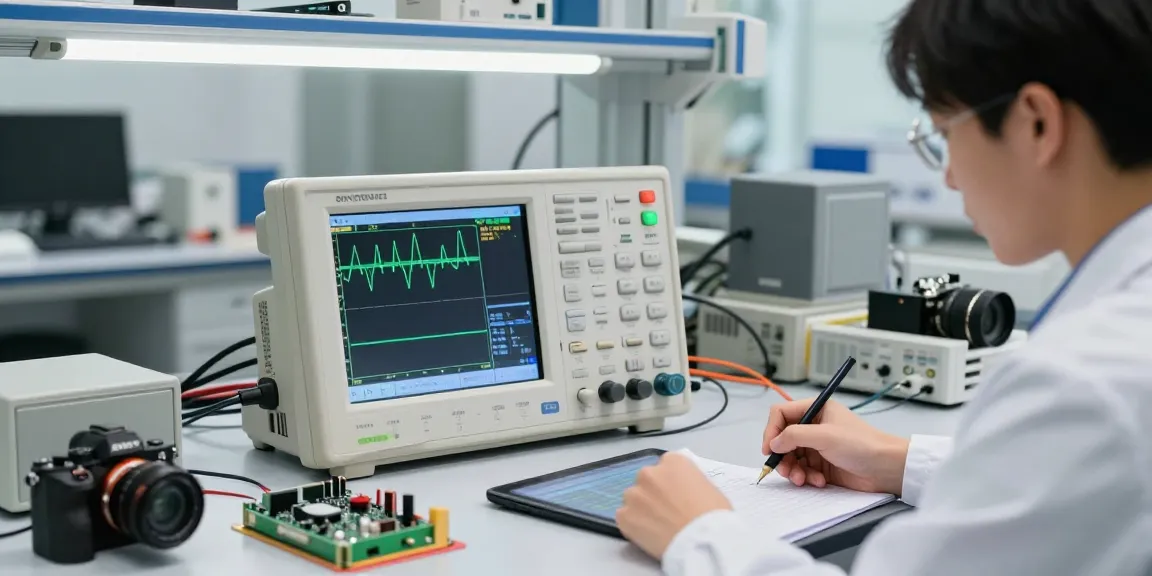
A portable digital oscilloscope is a compact electronic device used for observing the changing signals and waveforms in electrical circuits. Unlike traditional oscilloscopes, which are typically bulky and meant for lab use, portable models prioritize compactness and user-friendliness. They integrate various functionalities, such as signal storage, waveform analysis, and in some cases, additional tools like multimeters, facilitating comprehensive testing in diverse environments. Most portable oscilloscopes can provide bandwidths ranging from 10 MHz to 100 MHz, making them suitable for a variety of testing applications.
Key Features and Specifications
When evaluating portable digital oscilloscopes, several critical specifications and features stand out:
- Bandwidth: Defines the frequency range over which the oscilloscope can accurately measure signals. Common bandwidths range from 10 MHz to 100 MHz.
- Sampling Rate: Refers to how frequently the device can sample the signal, typically measured in mega samples per second (MSa/s). This affects the resolution of the measurements.
- Number of Channels: Most handheld oscilloscopes feature 1 to 4 channels, allowing multiple signals to be observed simultaneously.
- Battery Life: A crucial aspect for portability; longer battery life ensures that the oscilloscope can operate during extended fieldwork.
- Display Quality: Bright, high-resolution screens are important for clear readouts, especially in outdoor settings.
Applications in Various Industries
Portable digital oscilloscopes find applications across numerous industries, including:
- Automotive: Used for diagnosing faults in electrical systems, analyzing signals from sensors, and testing automotive electronics.
- Telecommunications: Critical in the design and troubleshooting of communication devices, ensuring signal integrity.
- Educational Institutions: Beneficial for teaching concepts of electronics and providing hands-on experience with real-world applications.
- Research and Development: Essential for engineers testing new circuits and systems, enabling rapid iteration and testing.
Benefits of Using Portable Digital Oscilloscopes
Enhanced Mobility and Flexibility
The primary advantage of portable digital oscilloscopes lies in their mobility. These devices are lightweight and compact, allowing for easy transport to various job sites. This portability is invaluable for field engineers who require reliable testing equipment on-site. Additionally, many models come with battery packs that provide hours of operation without the need for a power outlet, enhancing their usability in remote locations.
Real-time Signal Analysis
Portability does not come at the expense of functionality. Modern handheld oscilloscopes offer real-time signal analysis, allowing users to see signal variations as they occur. This feature is particularly important in troubleshooting and diagnosing issues, providing immediate feedback that aids in swift decision-making.
Integration with Other Testing Tools
Many portable oscilloscopes are equipped with additional functionalities, such as built-in multimeters, allowing users to perform multiple measurement tasks with a single device. This integration simplifies workflows and reduces the need to carry multiple tools, making it particularly advantageous for technicians working on-site.
How to Select the Right Portable Digital Oscilloscope
Identifying Your Specific Needs
When choosing a portable digital oscilloscope, it’s vital to first identify your specific measurement needs. Consider the types of signals you will be measuring and the frequency ranges required. For example, automotive applications may necessitate different specifications compared to telecommunications testing.
Understanding Bandwidth and Sampling Rates
Bandwidth and sampling rates play crucial roles in determining the performance of an oscilloscope. The required bandwidth should exceed the highest frequency of the signals you plan to measure to ensure accuracy. A good rule of thumb is to choose an oscilloscope with a bandwidth that is at least three times the frequency of the signal.
Beginner vs. Professional Models
For those new to oscilloscopes, entry-level models with simplified interfaces and essential features may be ideal. However, professionals may require advanced functionalities, such as multiple channels and greater bandwidth, to accommodate complex testing scenarios. Understanding these distinctions will help select the right model.
Common Challenges with Portable Digital Oscilloscopes
Handling Complex Signal Analysis
While portable oscilloscopes are user-friendly, they can present challenges when dealing with intricate signal analysis. Users may need to familiarize themselves with the controls and settings to effectively utilize advanced features. This learning curve can be mitigated with proper training and user manuals.
Battery Life and Power Management
A common concern with portable devices is battery life. Users should carefully consider the duration of battery operation and whether it meets their fieldwork demands. Some models allow for external power options or the ability to swap batteries, which can be beneficial during extended usage.
Learning Curve for New Users
Portability often comes with various functionalities that may overwhelm new users. To combat this, manufacturers should provide comprehensive instructions and tutorials. Many users benefit from online resources, including video tutorials, to help understand their oscilloscopes better.
Future Trends in Digital Oscilloscope Technology (2026 and Beyond)
Advancements in User Interfaces and Features
The future of portable digital oscilloscopes will likely see significant enhancements in user interfaces. Touchscreen displays, intuitive menu navigation, and customizable settings will make these devices even more user-friendly, catering to both novices and seasoned professionals.
Integration with IoT and Smart Technologies
As the Internet of Things (IoT) continues to evolve, portable oscilloscopes will increasingly integrate with smart technologies. This includes features like wireless connectivity, allowing for remote monitoring and cloud data storage, enhancing their functionality in connected environments.
Predicted Industry Changes and Demands
The demand for portable digital oscilloscopes is set to rise, driven by advancements in electronics and telecommunications. As more industries focus on rapid prototyping and quality assurance processes, the need for sophisticated, portable testing equipment will only increase.
What oscilloscope is best for beginners?
For newcomers, oscilloscopes like the HANMATEK® HO11 or the HO51 offer valuable features without overwhelming complexity. Their user-friendly interfaces and range of functionalities make them excellent choices for those starting their journey in electronics.
What is a portable digital oscilloscope used for?
Portable digital oscilloscopes are used for a wide variety of applications, ranging from troubleshooting electronic devices to performing in-field diagnostics. Their versatility allows users to measure and analyze waveforms in real-time, catering to industries such as automotive, telecommunications, and education.
How do I maintain my handheld oscilloscope?
Regular maintenance of handheld oscilloscopes involves simple steps such as keeping the device clean, ensuring proper battery care, and regularly updating software if applicable. Additionally, storing the oscilloscope in a protective case can prevent physical damage during transport.
Can I use my smartphone with a portable oscilloscope?
Many modern portable oscilloscopes have the capability to connect with smartphones via Bluetooth or Wi-Fi, allowing users to view and control the device remotely. This integration enhances usability and provides a more flexible approach to signal analysis.
What accessories do I need for a portable oscilloscope?
Essential accessories for portable oscilloscopes include probes for signal measurement, protective cases, and carrying bags for transport. Additional items like external batteries and USB cables can also be beneficial for enhancing functionality and convenience in the field.