
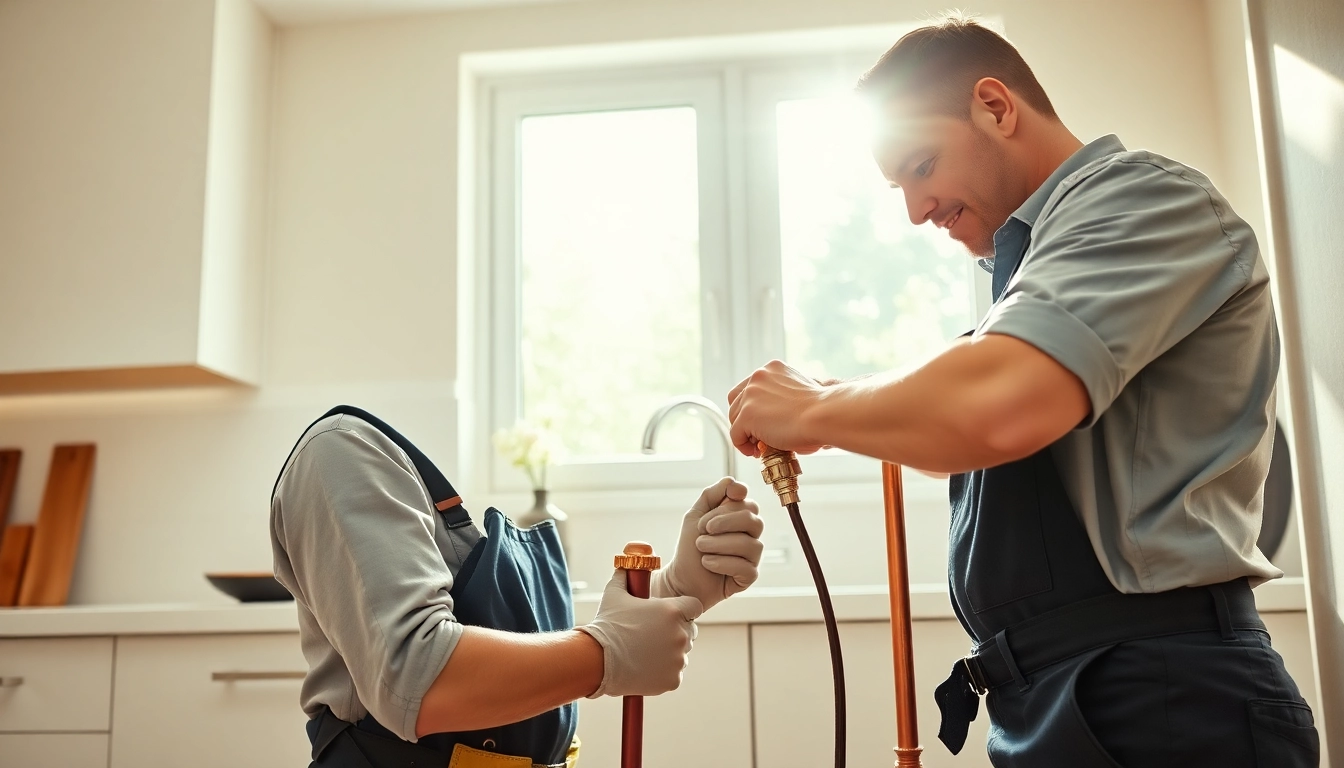
Understanding Whole House Repiping Services
What Is Whole House Repiping?
Whole house repiping refers to the complete replacement of a home’s plumbing system, including water supply and drainage lines. This service is crucial for homes that experience frequent leaks, low water pressure, discoloration of water, or outdated plumbing materials. With older homes, particularly in areas like St. Petersburg FL, galvanized steel pipes, which can corrode and pose health risks, are often replaced with more durable options such as copper or PEX. The repiping process ensures that the water supply is safe, efficient, and reliable.
Benefits of Whole House Repiping Services St Petersburg FL
Investing in whole house repiping services St Petersburg FL offers a multitude of advantages:
- Improved Water Quality: With new pipes, you’ll receive cleaner, fresher water free from rust, sediments, and contaminants.
- Enhanced Water Pressure: Older pipes can lead to reduced water flow due to mineral buildup or blockage. New pipes restore optimal pressure.
- Fewer Leaks: New plumbing eliminates the risks associated with aging pipes that are more prone to leaks and bursts.
- Lower Water Bills: Efficient plumbing can reduce water waste and subsequently decrease monthly utility costs.
- Increased Home Value: Newly repiped homes often appraise higher, making it a worthy investment for homeowners.
Signs You Need Whole House Repiping
Recognizing when it’s time for a repipe can save homeowners from extensive damage and costly repairs. Common signs include:
- Frequent Leaks: If you’re constantly fixing leaks, it’s a clear indication your plumbing may be in trouble.
- Low Water Pressure: A significant drop in water pressure could signify blockages or pipe damage.
- Discolored Water: Rusty or brown water means pipes may be corroding, leading to health concerns.
- Old Plumbing Materials: If you have galvanized pipes or polybutylene, these require replacement due to their vulnerability.
- High Water Bills: Unexpected increases can indicate inefficient or leaking pipes.
Choosing the Right Materials for Repiping
Copper vs. PVC: Which Is Best?
Selecting repiping materials is a crucial aspect of ensuring the longevity and performance of a plumbing system. Copper and PVC are two of the most common options:
- Copper: Renowned for its durability and resistance to corrosion, copper plumbing has an expected lifespan of over 50 years. It’s also non-toxic, making it a safe choice for water supply systems.
- PVC: Polyvinyl chloride is lightweight and easy to install. However, it’s not suitable for hot water systems and may degrade over time under UV exposure.
Both materials have their pros and cons, with the ideal choice depending on the specific needs and plumbing configurations of your home.
Considerations for Material Selection
When selecting plumbing materials for your whole house repiping project, consider factors such as:
- Location: The environment where you live can impact the choice. For coastal areas like St. Petersburg FL, resistance to corrosion is critical.
- Water Quality: Testing local water quality helps determine what materials can best withstand corrosive elements.
- Budget: Costs can vary significantly between materials. It is essential to balance quality and expense based on your budget.
- Installation Complexity: Consider how easy or challenging it will be to install the chosen materials based on your home’s structure.
Longevity and Durability of Different Materials
Different materials come with varying lifespans and durability:
- PEX: This flexible polyethylene pipe can last upwards of 40 years and is resistant to freezing and scaling.
- CPVC: A cousin to PVC, this material is suitable for hot and cold water systems and has a lifespan of around 40 years.
- Copper: Known for its strength and resistance to bacteria, it can last over 50 years with proper care.
Choosing a durable material is key to minimizing future plumbing issues and maintaining a functional water system.
The Whole House Repiping Process
Initial Inspection and Assessment
The first step in the repiping process is a thorough inspection of the existing plumbing system. A licensed plumber will evaluate:
- The condition of current pipes
- Location of leaks
- Water pressure issues
- Overall plumbing configuration
This assessment allows for outlining the scope of the repiping project, determining material needs, and estimating costs.
Planning Your Repiping Project
Once the assessment is complete, planning involves:
- Material Choice: Select suitable plumbing materials based on the earlier considerations.
- Budgeting: Detailed estimates should include materials, labor, and any additional costs.
- Scheduling: Choose the right time for repiping to minimize disruption, possibly coinciding with any other home improvements.
A well-thought-out plan sets the foundation for smooth execution.
Execution of Repiping Services St Petersburg FL
The execution phase starts with securely shutting off the water supply and draining existing pipes. Experienced plumbers will then remove destroyed or outdated pipes, replacing them with new materials. Careful connections ensure that there is no risk for leaks. This phase also incorporates testing to ensure the system functions as designed:
- Water flow checks
- Pressure testing
- Leak detection methods
Once completed, the system is restored, and water services are resumed.
Post-Repiping Considerations
Testing and Leak Detection
Following the completion of repiping, it’s essential to conduct extensive testing:
- Pressure Test: Checks if the new plumbing can handle the pressures required for daily use.
- Leak Check: Professional leak detection ensures that all connections are sound, preventing future issues.
Proper testing verifies that the entire system is operational and safe for use.
Maintenance Tips for New Plumbing
Maintaining new plumbing ensures longevity and reliability. Here are some expert tips:
- Regular Inspections: Schedule annual inspections to catch any early signs of wear or leaks.
- Keep an Eye on Water Pressure: Sudden changes could signify a problem.
- Avoid Harsh Chemicals: Use natural alternatives for cleaning drains to prevent pipe degradation.
- Insulate Pipes: Particularly important in colder areas to avoid freezing and bursting.
Implementing these tips can significantly reduce unnecessary repairs and improve system performance.
Upgrades to Consider After Repiping
After repiping, homeowners can consider several upgrades:
- Water Filtration Systems: Enhances water quality by removing contaminants.
- Smart Water Sensors: Alerts homeowners to leaks or fluctuations in water usage.
- Low-Flow Fixtures: Helps conserve water and reduces bills.
These upgrades can further improve home efficiency and water systems.
Frequently Asked Questions About Whole House Repiping
How long does repiping take?
Typically, whole house repiping can take between 3 to 5 days, depending on the size of the home and complexity of the plumbing system.
What can I expect during the repiping process?
Expect some disruption; plumbers will access walls and floors for installation. Noise and dust are common during the process.
Is repiping worth the investment?
Absolutely. It enhances water quality, reduces leaks, and adds value to your home, often resulting in lower utility bills.
Will my water quality improve after repiping?
Yes, repiping can significantly improve water quality by eliminating corrosion, rust, and buildup from old pipes.
How do I find reliable repiping services in St Petersburg FL?
Look for licensed local plumbers with good reviews. Getting multiple quotes and checking previous work is also advisable.