1. Introduction to Waterproof Vinyl Flooring
In the ever-evolving world of home design and renovation, selecting the right flooring product is more crucial than ever. Among the plethora of options available, waterproof vinyl flooring stands out as a superior choice for its combination of aesthetics, durability, and practical functionality. This article aims to deep dive into the benefits, features, installation processes, care, and common questions regarding waterproof vinyl flooring, providing homeowners and designers with extensive insights to make informed decisions.
1.1 What is Waterproof Vinyl Flooring?
Waterproof vinyl flooring is a resilient flooring option crafted from synthetic materials designed to resist water, making it ideal for areas prone to spills, moisture, and humidity. Composed typically of multiple layers, this flooring type features a strong backing, a waterproof core layer, a design layer that mimics the look of wood or tile, and a protective wear layer on top. This construction not only gives it a plethora of visual options but also enhances its durability, allowing it to withstand everyday wear and tear without succumbing to water damage.
1.2 Benefits of Choosing Waterproof Vinyl Flooring
Choosing waterproof vinyl flooring offers a multitude of advantages:
- Water Resistance: As the name suggests, this flooring is not just water-resistant—it’s completely waterproof, making it a perfect solution for bathrooms, kitchens, and basements.
- Durability: With features that resist scratching, dents, and stains, waterproof vinyl flooring can last for years with proper care.
- Aesthetic Flexibility: Available in a wide range of patterns, colors, and textures, it can suit various design aesthetics from rustic to modern.
- Comfort: Typically warmer and softer underfoot compared to tile or hardwood, it provides comfort without sacrificing style.
- Easy Installation: Many varieties are designed for easy DIY installation, sometimes employing a click-lock method.
1.3 Common Misconceptions About Waterproof Vinyl Flooring
Despite its rising popularity, several myths surround waterproof vinyl flooring:
- All Vinyl is Waterproof: Not all vinyl flooring options are waterproof; this trait is specific to waterproof varieties.
- Poor Quality: Some believe that vinyl flooring is inferior; however, when properly designed, it can rival traditional materials in quality.
- Only Suitable for Utility Areas: While initially popular in kitchens and bathrooms, its aesthetic appeal now makes it suitable for living rooms, bedrooms, and more.
2. Key Features of Waterproof Vinyl Flooring
2.1 Durability and Protection Against Moisture
One of the most significant advantages of waterproof vinyl flooring is its durability. It comprises multiple layers, including a robust core that resists warping, swelling, and mold growth, even in high humidity environments. This flooring is not only designed to take everyday abuse, such as foot traffic and typical household wear and tear, but it also effectively combats potential moisture-induced issues typically found in traditional wood or laminate options.
2.2 Aesthetic Versatility: Styles and Designs
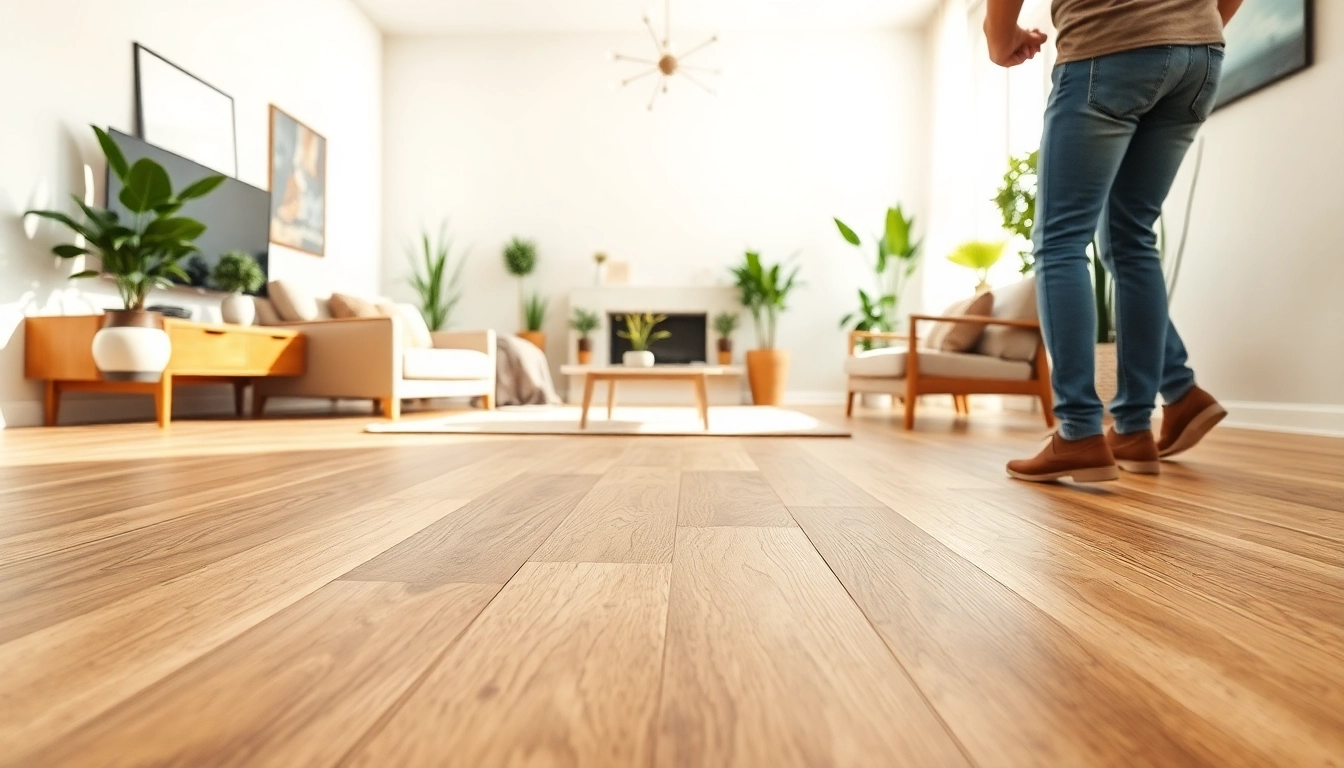
The design possibilities with waterproof vinyl flooring are virtually endless. Manufacturers create designs that mimic traditional wood flooring or elegant tiles, offering consumers the beauty of high-end materials without the associated price. Additionally, textures can be incorporated to enhance realism, providing a tactile dimension to the visual appeal. This versatility makes waterproof vinyl flooring suitable for any room, enriching the overall aesthetic of the space.
2.3 Ease of Maintenance
Another attractive feature of waterproof vinyl flooring is its low maintenance requirement. Regular upkeep generally involves sweeping or vacuuming to remove dirt and debris, followed by occasional mopping with a gentle cleaner to maintain its shine and safety. Unlike hardwood floors, there is no need for refinishing or special treatments, making it an accessible choice for busy households.
3. Installation Process of Waterproof Vinyl Flooring
3.1 Preparing Your Space for Installation
Before beginning installation, proper preparation of the space is crucial. Start by removing existing flooring and ensuring the subfloor is clean, dry, and level. Any irregularities in the subfloor should be addressed to prevent issues with the planks or tiles. It’s advisable to acclimate the flooring materials to the room’s temperature for at least 48 hours before installation to prevent expansion or contraction post-installation.
3.2 Step-by-Step Guide to Installing Waterproof Vinyl Flooring
The installation of waterproof vinyl flooring can be categorized primarily into two methods: glue down and click-lock installation. Here’s a step-by-step approach for both:
- Measurements: Measure your space accurately to determine how much material you need.
- Layout: Plan your layout to avoid awkward cuts, usually starting from a straight wall or room’s center.
- Cut the Planks: Use a utility knife to cut the planks to size, ensuring a fit for corners and edges.
- Install: For glue-down, apply adhesive to the prepared subfloor and lay the planks in rows. For click-lock, angle the plank and press down to snap into place.
- Finishing Touches: Install baseboards or quarter-rounds to cover seams and gaps for a polished final look.
3.3 Tips for a Professional Finish
To achieve a seamless and professional finish when installing waterproof vinyl flooring, consider these expert tips:
- Utilize a tapping block to assist with snug fitting of edges during installation.
- Leave appropriate expansion gaps along walls and fixed objects to accommodate natural expansion of the flooring.
- Utilize a level to ensure the subfloor is even, preventing future issues with planks buckling or separating.
4. Caring for Your Waterproof Vinyl Flooring
4.1 Daily Maintenance Routine
To keep waterproof vinyl flooring looking fresh and new, implement a simple daily maintenance routine. Start by sweeping or vacuuming regularly to eliminate dirt and grit that can cause scratching. Damp mopping with a pH-neutral cleaner biweekly will help maintain shine without damage. Avoid harsh chemicals that might deteriorate the wear layer over time.
4.2 Addressing Common Issues
Like any flooring, waterproof vinyl may face issues. Scratches can be minimized by placing felt pads under furniture legs, while scuff marks can typically be removed with a light scrub using a soft cloth and the right cleaner. For stubborn stains, it may be necessary to use a specialized cleaner recommended by the flooring manufacturer to avoid surface damage.
4.3 Long-term Care to Enhance Longevity
To ensure the longevity of your waterproof vinyl flooring, avoid wearing shoes that may pick up debris from outside, and use area rugs in high-traffic areas. Regular maintenance checks to address any loose planks or wear can further extend the life of your flooring, ensuring it remains an attractive component of your home for years to come.
5. FAQs About Waterproof Vinyl Flooring
5.1 How water-resistant is waterproof vinyl flooring?
Waterproof vinyl flooring is fully resistant to water, making it ideal for wet environments such as bathrooms and kitchens, where spills are common.
5.2 Can waterproof vinyl flooring be installed over existing floors?
Yes, waterproof vinyl flooring can often be installed over existing floors, provided the surface is clean, level, and stable, ensuring no moisture problems coexist.
5.3 Is waterproof vinyl flooring suitable for pets?
Absolutely! Waterproof vinyl flooring is excellent for pet owners, offering resistance to scratches and stains from pet accidents while being easy to clean.
5.4 What is the lifespan of waterproof vinyl flooring?
With proper care, waterproof vinyl flooring can last up to 20 years or more, making it a durable choice for residential and commercial spaces alike.
5.5 Can waterproof vinyl flooring be refinished?
Typically, waterproof vinyl flooring cannot be refinished; however, it can be replaced or repaired easily if significant wear occurs, making it a practical flooring solution.