
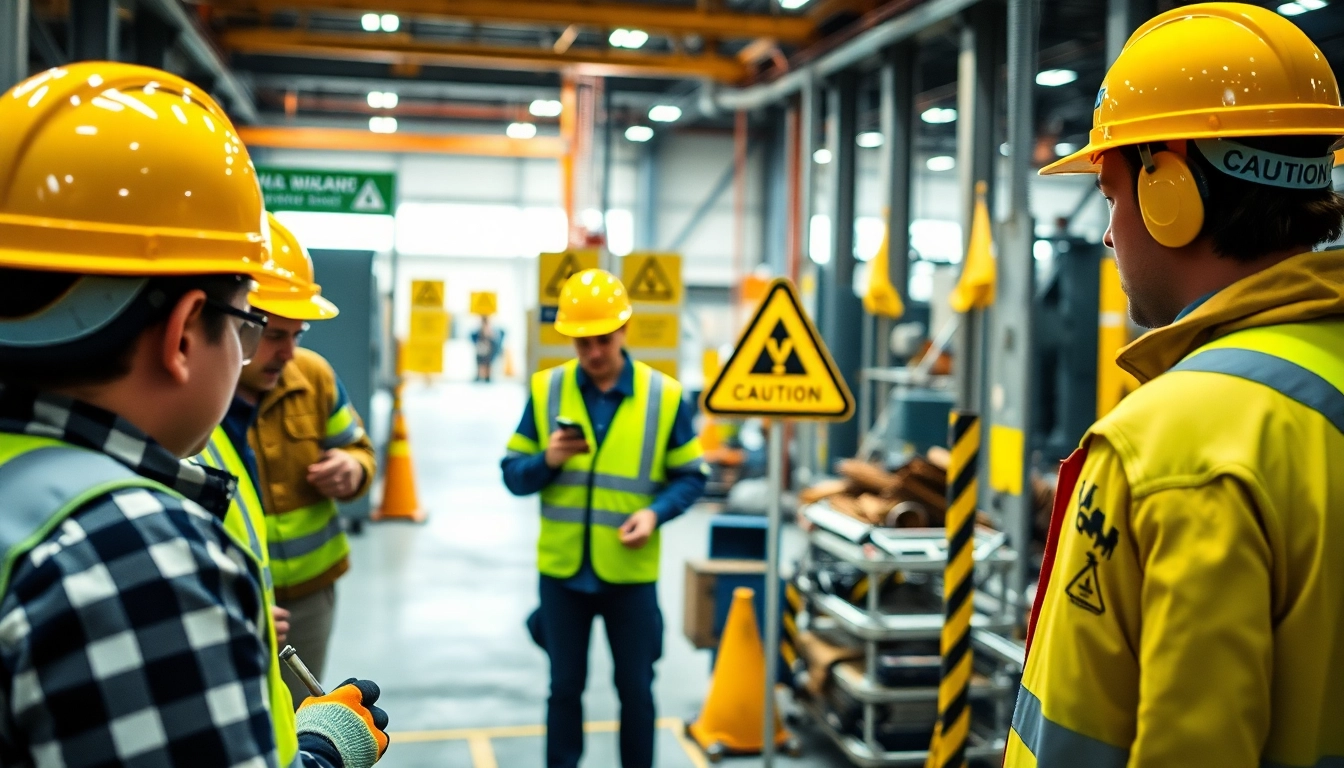
1. Introduction to Physical Hazard
In every work environment, the potential for risk and injury is ever-present. Among these risks, understanding physical hazard is crucial for employers and employees alike. Physical hazards are elements or conditions within a workplace that can cause harm or lead to injuries. These hazards can stem from various sources, ranging from machinery and tools to environmental factors. A thorough comprehension of physical hazards sets the foundation for creating a safer workplace.
1.1 Definition of Physical Hazard
A physical hazard refers to any condition or object that can cause physical harm to individuals in a workplace environment. This can include a variety of elements such as falling objects, hazardous equipment, unguarded machinery, slippery surfaces, or excessive noise levels. Identifying these hazards is the first step in mitigating risks and establishing safety protocols to protect employees.
1.2 Types of Physical Hazards
Physical hazards can be categorized into several types, including:
- Mechanical Hazards: Involve tools and machinery that can lead to accidents such as cuts, bruises, or amputations.
- Temperature Extremes: Exposure to extreme heat or cold can result in heat stroke, frostbite, or other serious health issues.
- Electrical Hazards: Involve risks associated with electrical equipment such as shocks, burns, and electrocutions.
- Noise Hazards: Excessive noise can lead to hearing loss, stress, and reduced concentration.
- Slip and Trip Hazards: Wet, uneven surfaces, or clutter can contribute to falls, one of the most common workplace injuries.
1.3 Importance of Identifying Physical Hazards
Identifying physical hazards in the workplace is pivotal for several reasons. First and foremost, it aids in protecting the health and safety of employees. By recognizing potential threats, businesses can implement effective control measures and training programs, thereby minimizing accidents and injuries. Furthermore, a proactive approach to hazard identification enhances overall productivity and morale, as employees feel safer in their working environment. Lastly, adhering to safety regulations regarding physical hazards is essential for legal compliance, mitigating liabilities, and fostering a culture of safety.
2. Common Physical Hazards in Work Environments
The landscape of physical hazards varies widely across different industries, yet certain hazards persist as common threats. Understanding these risks is critical for establishing adequate proactive measures.
2.1 Examples of Physical Hazards
Common physical hazards can be broadly grouped under various scenarios:
- Construction Sites: Heavy machinery, scaffolding, and falling objects create risks of serious injuries.
- Manufacturing: Moving parts of machinery, residual sharp edges, and spills are prevalent dangers.
- Hospitality: Wet floors, hot surfaces, and sharp utensils present risks in kitchens and dining areas.
- Offices: Tripping hazards from cables and poor ergonomics contribute to physical strain and discomfort.
2.2 Sector-Specific Physical Hazards
Different sectors face unique challenges concerning physical hazards. For instance, the construction industry is rife with potential hazards due to heavy machinery and precarious work conditions, while healthcare environments may encounter risks related to sharps and biohazards. Understanding these sector-specific hazards allows for a tailored approach to safety protocols.
2.3 Recognizing Physical Hazards
Regular inspections and awareness training programs are essential for recognizing physical hazards. Staff should be encouraged to report unsafe conditions, and managers must conduct periodic risk assessments to ensure all potential hazards are adequately addressed. By cultivating a culture of safety awareness, organizations can empower employees to prioritize hazard identification actively.
3. Assessing Risks Associated with Physical Hazards
Once physical hazards are identified, conducting a risk assessment is crucial for determining the appropriate response. This process assists in prioritizing safety measures and allocating resources effectively.
3.1 Risk Assessment Steps
Risk assessment typically involves the following steps:
- Hazard Identification: Recognizing what can cause harm.
- Risk Analysis: Evaluating the likelihood and severity of potential harm.
- Risk Evaluation: Comparing estimated risks against established safety criteria.
- Control Measures: Implementing steps to eliminate or minimize risks.
- Review and Monitor: Continuously assessing the effectiveness of control measures.
3.2 Tools for Risk Assessment
Various tools can facilitate effective risk assessments:
- Checklists: Structured lists provide a methodical approach to ensure no area is overlooked.
- Risk Matrix: This visual tool helps assess risks by plotting the likelihood against severity.
- SWOT Analysis: Analyzing strengths, weaknesses, opportunities, and threats can provide insights into risk management strategies.
- Software Tools: Several software solutions are designed to assist organizations in conducting and documenting risk assessments.
3.3 Legal Requirements and Compliance
Ensuring compliance with local occupational health and safety regulations is vital. Many governments set legal obligations for employers to mitigate identified physical hazards. Regular audits and adherence to industry safety standards not only promote workplace safety but also protect employers from legal liabilities associated with accidents and injuries.
4. Best Practices for Managing Physical Hazards
Effectively managing physical hazards requires an organized approach that includes education, practical measures, and ongoing evaluations.
4.1 Safety Training and Education
Implementing regular safety training is critical for promoting awareness and best practices among employees. Training should include proper use of equipment, recognition of hazards, and emergency response procedures. Encouraging employees to express concerns and ask questions can foster an open dialogue around safety.
4.2 Implementing Control Measures
Control measures can be classified as engineering controls, administrative changes, and personal protective equipment (PPE). Engineering controls might include machine guards or improved ventilation, while administrative measures can involve altering work procedures or schedules. PPE, such as gloves, helmets, and ear protection, serves as the last line of defense against physical hazards.
4.3 Regular Safety Audits
Conducting regular safety audits is an integral part of hazard management. These audits help ensure compliance with safety policies and allow organizations to identify new hazards as they arise. Auditing processes should include employee engagement and feedback to assess the effectiveness of current safety measures.
5. Frequently Asked Questions
5.1 What qualifies as a physical hazard?
Physical hazards include any potentially harmful physical conditions in the workplace, such as machinery, falling objects, electrical equipment, and exposure to extreme temperatures.
5.2 How can I identify physical hazards in my workplace?
Conduct regular inspections, involve employees in identifying risks, and refer to safety guidelines specific to your industry.
5.3 What are some effective control measures for physical hazards?
Control measures include engineering controls, administrative changes, and using personal protective equipment (PPE).
5.4 Are there legal requirements for addressing physical hazards?
Yes, many countries have regulations mandating workplace safety standards and requiring employers to mitigate identified hazards.
5.5 How often should workplace safety audits occur?
Safety audits should be conducted regularly, at least annually, or whenever there are significant changes to the workplace or procedures.